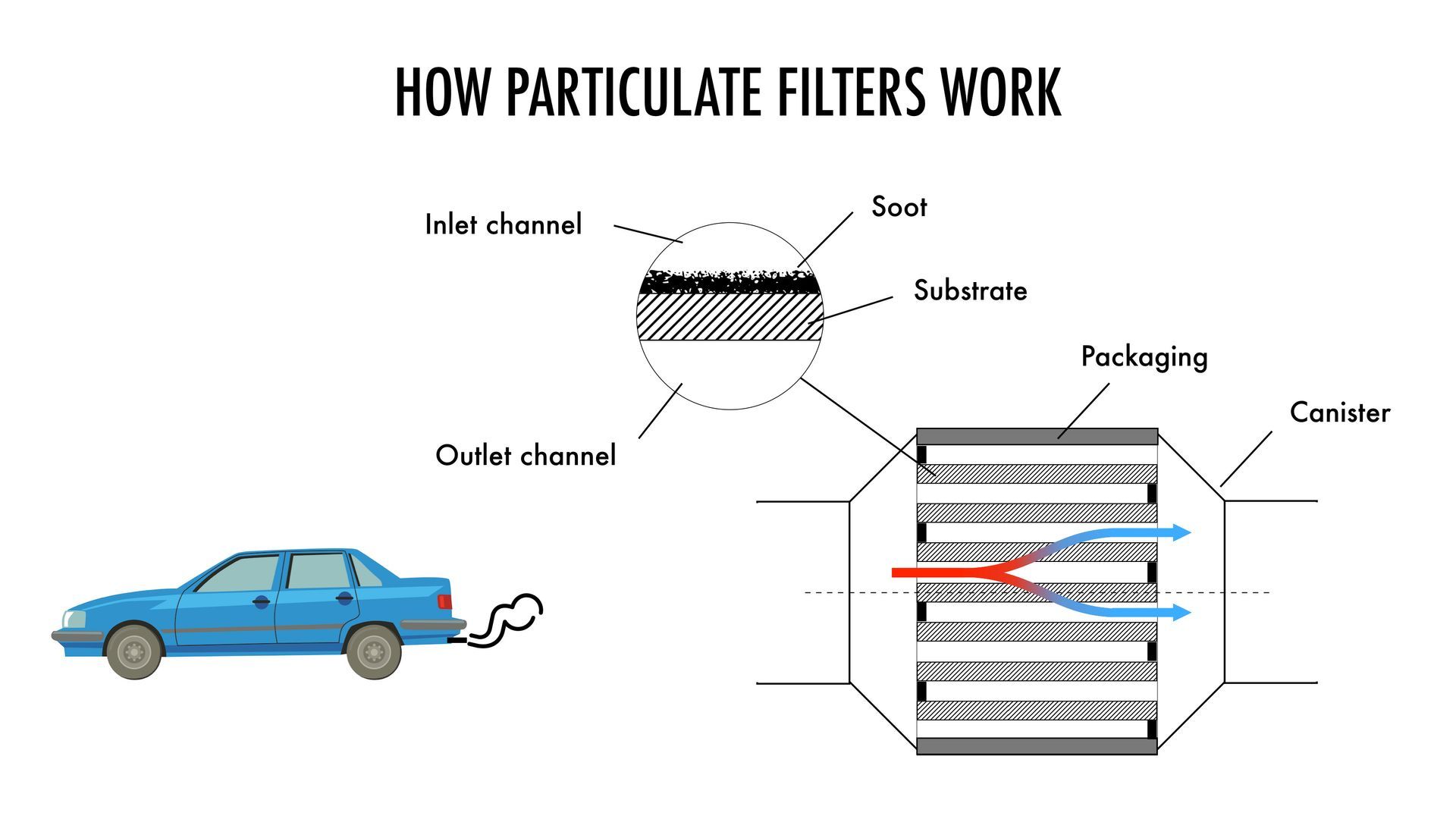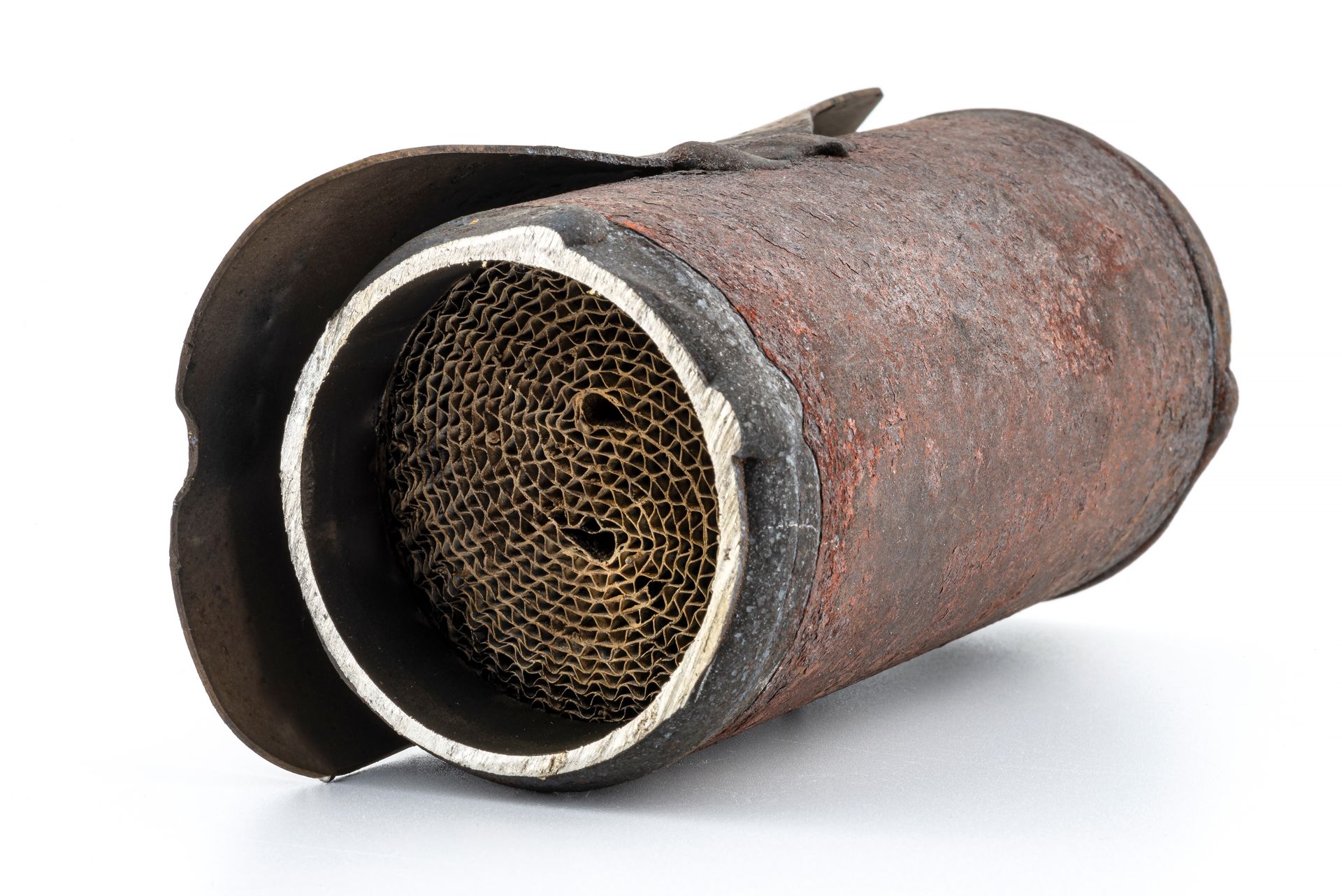
A diesel particulate filter has to deal with a steady stream of soot every time the engine runs. Under the right conditions, the vehicle manages much of that buildup on its own through regeneration, often without the driver noticing anything unusual.
Problems begin when soot accumulates faster than the system can remove it. Short trips, extended idling, interrupted regeneration cycles, engine faults, and emissions-system problems can all contribute. Once restriction becomes significant, the vehicle may display warnings, reduce power, or require professional testing to determine what the filter needs.
What Is a Forced DPF Regeneration?
During ordinary driving, many diesel vehicles can regenerate the DPF automatically when the correct operating conditions are reached. A forced or service regeneration is different because a technician initiates the process with appropriate service equipment while following the procedure specified for that vehicle.
The engine management system raises exhaust temperature so accumulated soot can oxidize inside the filter. The exact procedure varies considerably between vehicles. Ford, for example, notes that manual regeneration time can change with soot loading, ambient temperature, and altitude.
When Can Forced Regeneration Help?
A forced regeneration can be useful when the filter is loaded primarily with combustible soot, and the vehicle has been unable to complete its normal regeneration cycle. This can happen when a diesel is used mainly for short trips, spends long periods idling, or rarely operates under conditions that allow exhaust temperatures to remain high enough for regeneration.
If the DPF is still structurally sound and the soot loading remains within a range where service procedures permit regeneration, raising exhaust temperature in a controlled way can burn off enough soot to reduce restriction. General Motors service information describes service regeneration as a controlled method of lowering soot accumulation, although its effectiveness depends on the vehicle and soot level.
Why Short Trips Can Lead to DPF Loading
A diesel that regularly travels at sustained road speed has more opportunities to reach the conditions needed for normal regeneration. A vehicle used for short local trips may shut down repeatedly before the process can begin or finish.
The driver may eventually see a DPF warning, check engine light, or message requesting continued driving. Depending on the vehicle, performance may also be reduced as soot loading rises. Ignoring repeated regeneration warnings can allow the filter to become restricted enough that normal driving is no longer sufficient to clear it.
A Forced Regeneration Cannot Remove Ash
Soot and ash are two different things. Soot is largely combustible and can be oxidized during regeneration. Ash is the non-combustible residue that remains behind from sources such as engine oil additives and normal engine operation.
Regeneration cannot burn ash away. Cummins notes that hardened ash can accumulate in a DPF over time and eventually affect filter performance, which is why physical DPF cleaning or replacement becomes necessary at certain stages of service life. If ash loading is the main restriction, repeatedly forcing regeneration will not restore the filter to normal condition.
The Cause of Excessive Soot Needs to Be Found
A DPF that plugs once because a vehicle has spent months making short trips is different from one that becomes overloaded repeatedly. Frequent DPF problems can point toward another engine or emissions-system fault that is producing too much soot or preventing regeneration from completing.
Possible contributors can include:
- Failed exhaust temperature sensors
- Differential pressure sensor problems
- EGR system faults
- Fuel injector problems
- Turbocharger or boost concerns
- Engine oil consumption
- Thermostat or temperature-related problems
- Repeated interrupted regeneration cycles
Before performing repeated forced regenerations, technicians should review fault codes and operating data and determine whether the engine is producing abnormal soot or the aftertreatment system is unable to manage it correctly.
DPF Pressure Readings Help Show How Restricted It Is
Diesel vehicles commonly use pressure information to help monitor restriction across the DPF. Technicians can compare pressure readings under different operating conditions and review calculated soot loading with a scan tool.
These readings help determine whether a regeneration is appropriate and whether it worked. If pressure remains excessive after the procedure, the filter may contain too much ash, have an internal restriction, or be damaged. An inspection of the related sensors and pressure hoses is also important because incorrect readings can make a healthy filter appear restricted.
When Is a Forced Regeneration a Bad Idea?
A severely overloaded or damaged DPF should not automatically be subjected to regeneration. Burning a large quantity of soot produces substantial heat, so manufacturer procedures place limits on when service regeneration can be performed.
A filter that is cracked, melted, contaminated, or plugged beyond an acceptable service limit may require professional cleaning or replacement instead. Technical service information for some diesel applications specifically directs replacement when DPF condition reaches the point where regeneration or cleaning is no longer appropriate.
Does a Successful Regeneration Mean the Problem Is Fixed?
If soot buildup was the only problem, a successful regeneration may restore acceptable exhaust flow and allow the vehicle to return to normal operation. The technician should still confirm that soot loading, pressure readings, warning messages, and related engine data have responded appropriately.
If the DPF begins loading again unusually quickly, another forced regeneration is unlikely to be the complete answer. Finding the reason for excessive soot production or failed automatic regeneration is important for preventing the same problem from returning.
Help the DPF Complete Its Normal Regeneration Cycles
Diesel vehicles benefit from being operated in ways that allow their emissions systems to reach normal operating conditions. The owner's manual may provide instructions for responding to DPF messages or completing a regeneration drive.
Regular maintenance is important too. Using the correct engine oil, correcting engine performance problems, and addressing emissions warning lights promptly can reduce avoidable stress on the DPF. Drivers should follow the requirements for their specific diesel rather than relying on one driving routine for every vehicle.
Get DPF Service in Spring Valley, CA, With Ed Hanson's Muffler Service
Ed Hanson's Muffler Service in Spring Valley, CA, can evaluate DPF restriction, regeneration concerns, exhaust flow problems, and related diesel emissions-system faults.
If your diesel has a DPF warning, reduced power, or a filter that repeatedly becomes restricted,
contact us to schedule testing and determine whether regeneration, cleaning, repair, or replacement is the appropriate next step.