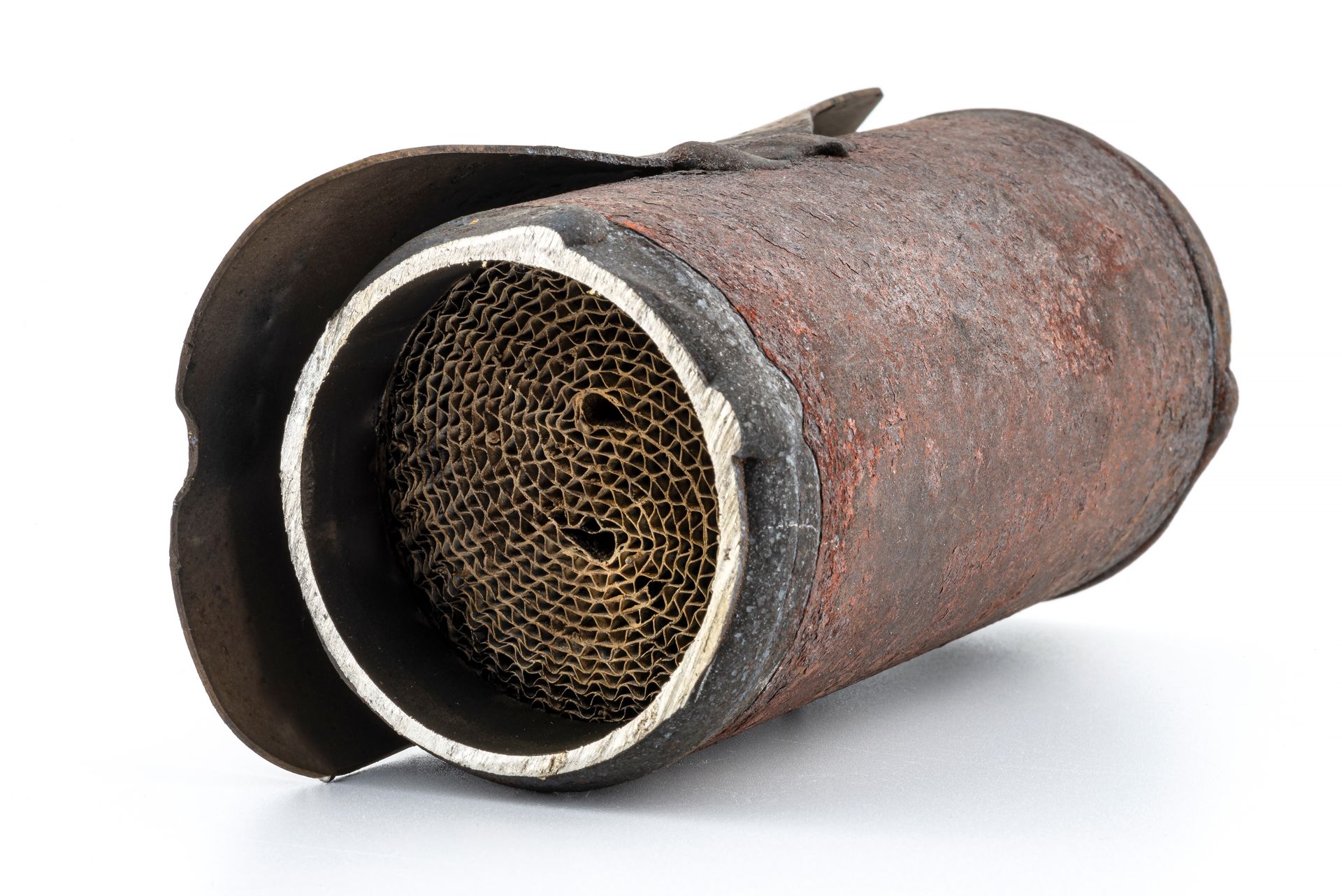
If you live or drive near the ocean, rust can feel unfair. You wash the car, you take decent care of it, and somehow the exhaust still starts looking crusty, sounding louder, or developing leaks sooner than you expected.
The reason is not bad luck. Coastal air creates the perfect environment for corrosion, and the exhaust is one of the most exposed, heat-cycling, moisture-catching systems on the whole vehicle.
Why Coastal Air Eats Exhaust Systems Faster
Rust needs oxygen and moisture. Coastal environments deliver both, often nonstop. Even on clear days, the air can carry fine salt and moisture that settles onto metal surfaces and stays there.
Salt is the multiplier. It speeds up corrosion by making it easier for electrical reactions to happen on the metal surface. Once that process starts, the exhaust becomes a target because it is bare metal in many spots and it sits low where water and road spray collect.
Salt Spray, Humidity, And Temperature Swings
Near the coast, salt can land on your car without you ever driving through visible water. Ocean mist, salty air, and coastal fog can leave a thin film on the underside that holds moisture against the metal.
Humidity keeps that film active. Instead of drying out quickly, moisture lingers in seams, at flanges, and around hangers. Then you add temperature swings, which cause constant expansion and contraction. That movement can crack protective coatings and open tiny gaps where corrosion can begin.
Hot Exhaust Meets Cold Moisture
Exhaust parts heat up fast, then cool down fast. That cycle is rough on metal. After a drive, the exhaust cools and draws in moisture from the surrounding air. If the vehicle only takes short trips, moisture may not evaporate fully from inside the system.
Condensation inside the exhaust is normal, especially during warm-up. The difference near the ocean is that moisture is more persistent, and salt contamination makes it more aggressive. Over time, that mix can corrode from the inside and the outside at the same time.
Where Rust Starts On Real Vehicles
Rust rarely attacks every section evenly. It usually starts where moisture and salt can sit, and where the metal is thinner or stressed.
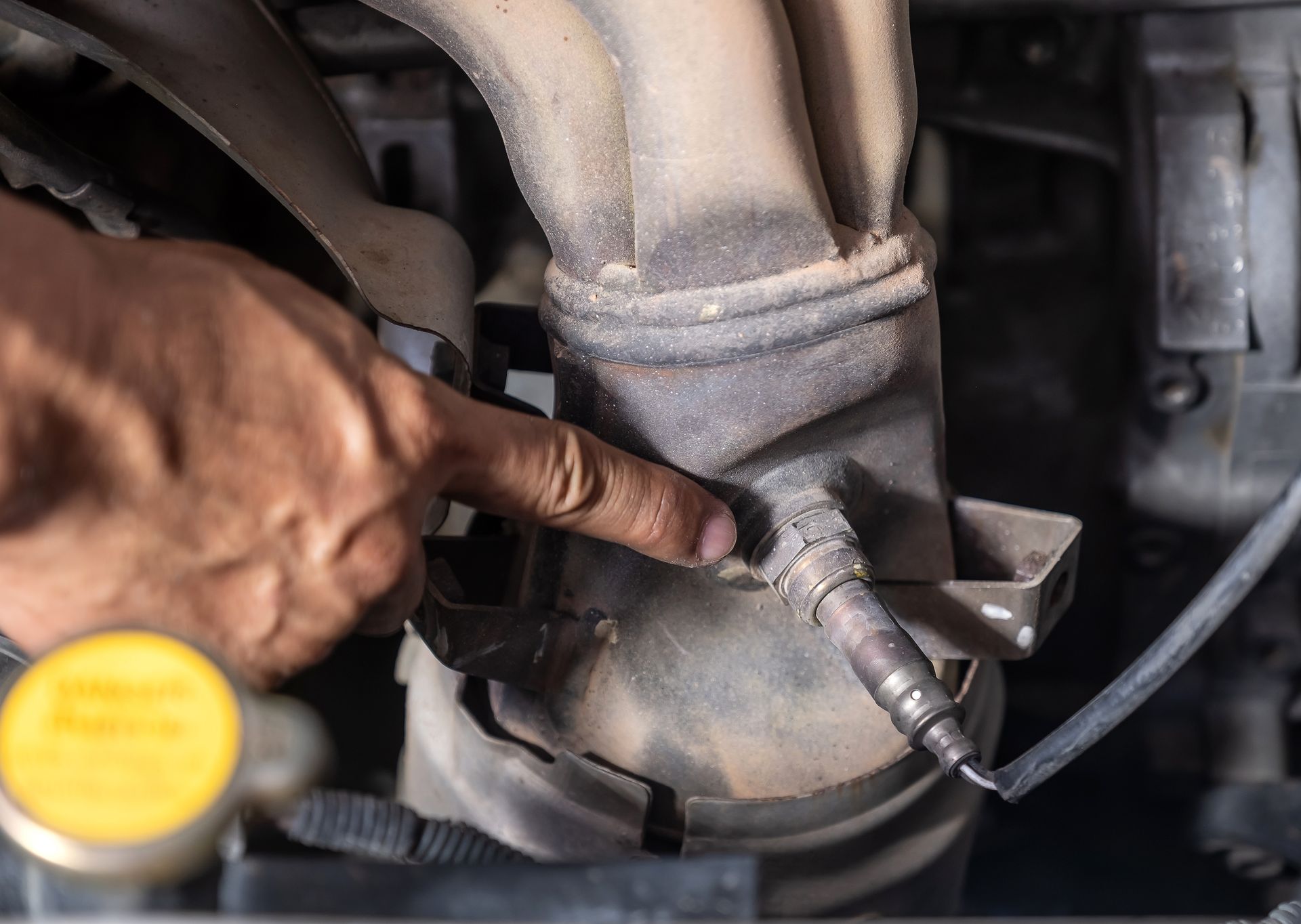
Common starting points include flanges and gaskets, welded seams, muffler bodies, and exhaust hangers. Clamps can trap moisture against the pipe, which creates rust bands. Heat shields can also hold damp grime against metal surfaces, so corrosion builds where you cannot easily see it during a quick look.
We see a lot of coastal vehicles where the pipes look acceptable at first glance, but the flanges and seams are already thinning and getting ready to leak.
Early Signs Your Exhaust Is Corroding
A rusty exhaust does not always announce itself with a loud roar. The early signals are often subtle, and they usually show up in sound, smell, or vibration.
You might notice a tick or puffing sound on cold start that fades as the metal heats up and expands. You may smell exhaust briefly near the vehicle, especially when stopped. Rattles can show up when a rusted heat shield, hanger, or clamp loosens.
If the sound changes under acceleration, or if you hear a metallic buzz at certain RPM, it can be a sign that a shield or hanger is no longer holding the way it should.
Prevention That Actually Helps On Coastal Roads
You cannot change the air, but you can reduce how long salt and moisture stay on the underside. The goal is to keep the exhaust cleaner and drier between drives, and catch small corrosion before it turns into holes.
- Rinse the underside occasionally, especially after wet coastal drives, because salt film often sits where you never notice it.
- Take the car on longer drives now and then so the exhaust gets hot enough to dry out condensation inside the system.
- Fix loose shields and hangers early, since vibration and movement can crack seams and speed up rust.
- Do not ignore new exhaust sounds, because a small leak at a flange can grow quickly once hot gases start cutting through the metal.
- If you park near the coast, consider more frequent inspections, since corrosion often advances faster than people expect.
None of this makes an exhaust immune. It does help stretch the life of the parts you already have.
When Rust Turns Into A Leak Or A Safety Issue
Once rust creates a hole or a failed gasket surface, the exhaust can leak hot gases where they do not belong. That can damage nearby components and create a stronger exhaust smell around the vehicle. In some cases, leaks can also affect performance because upstream leaks can confuse sensor readings.
Structural rust matters too. If hangers rust through, the exhaust can sag and stress other joints. That is when rattles become constant, and repairs can expand from a small patch to multiple sections.
If you hear a steady loud exhaust sound, notice a persistent odor, or feel vibration that was not there before, it is smart to have it inspected soon. Exhaust problems tend to progress, not pause.
Get Exhaust Repair in Spring Valley, CA, with Ed Hanson's Muffler Service
We can inspect your exhaust for coastal rust, track down leaks, and replace or repair the sections that are failing before the problem spreads. We’ll walk you through what is rusted, what is still solid, and what makes sense to fix now.
Call
Ed Hanson's Muffler Service in Spring Valley, CA, to schedule exhaust service and keep your vehicle quiet and safe on the road.