If you own a V8, you have probably thought about exhaust upgrades at least once. Louder mufflers get most of the attention, but the crossover pipe in the mid-section has a huge influence on how your engine sounds and how it pulls through the rev range.
The big question is whether an H-pipe or X-pipe is really worth the money for a street-driven car, or if it is just a race track part with a cool name.
What A Crossover Pipe Does On A V8 Exhaust
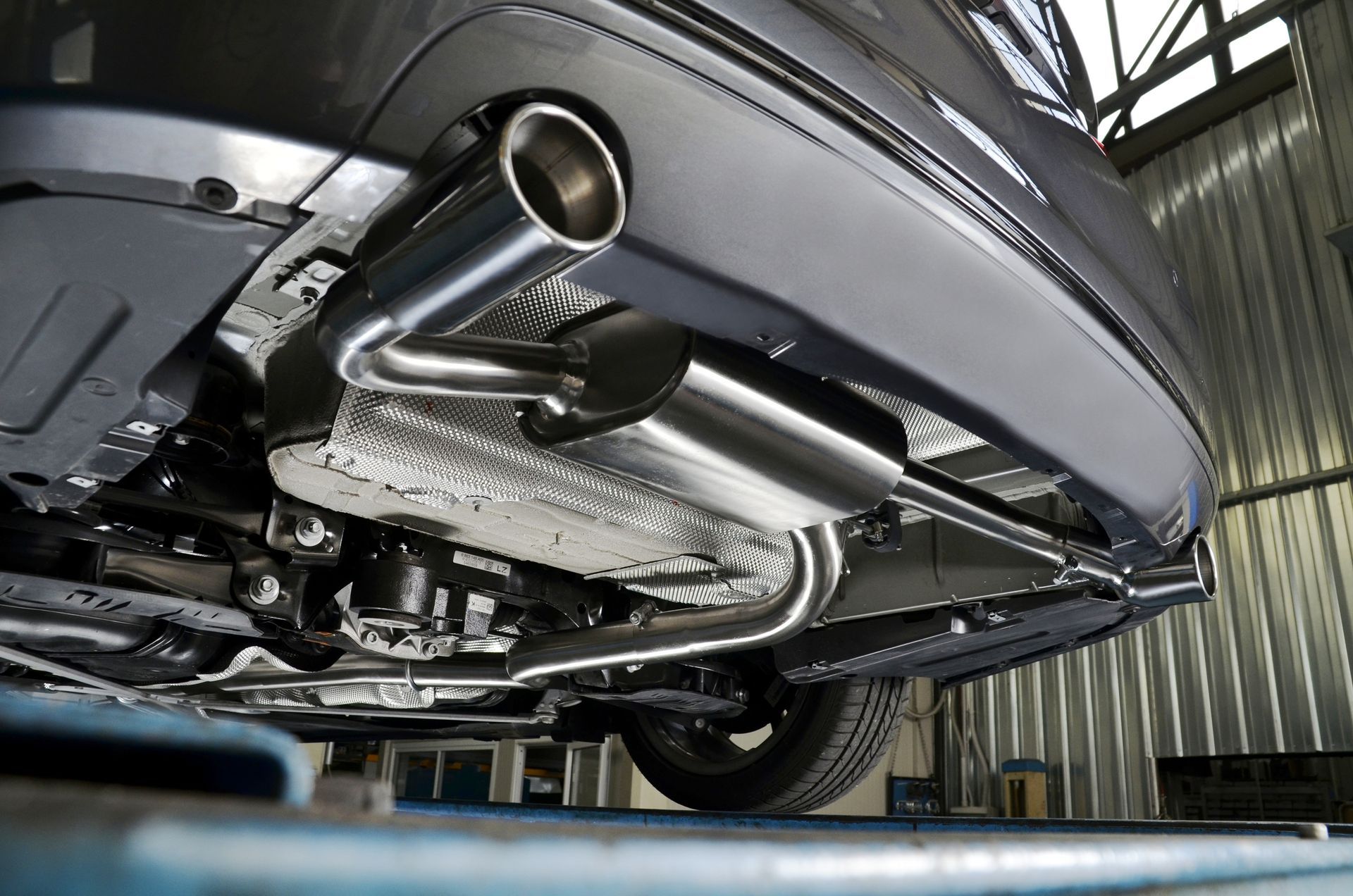
On a typical dual exhaust, each bank of cylinders has its own header or manifold and tailpipe. That means the left and right sides are basically working independently. A crossover pipe connects those two sides somewhere in the middle of the system so pressure pulses can move between them.
That connection helps balance the exhaust flow and can smooth out the pulses that make a V8 sound choppy or uneven. In some setups, that balance improves low and midrange torque and can reduce droning at certain speeds. Where the crossover is placed, and which style you choose, has a big impact on the end result.
H-Pipe vs X-Pipe: How They Change Sound And Feel
Both H-pipes and X-pipes tie the two sides of the exhaust together, but they do it differently.
An H-pipe uses a short straight section that links the two pipes in the shape of a letter H. It tends to keep more of the traditional deep V8 rumble and can help with low and midrange torque. Many truck and muscle car owners like this sound because it feels classic and a bit rough around the edges.
An X-pipe merges the two pipes together in a crossing pattern, which encourages exhaust pulses to blend and speed up as they pass through. That usually gives a smoother, higher-pitched tone and can help the engine breathe better at higher RPM. On some engines, it can pick up a little top end power compared with an H-pipe.
From the driver’s seat, the difference is often noticeable. H-pipes usually sound deeper and more old-school. X-pipes sound a bit sharper and more exotic, especially as the revs climb.
When A Crossover Pipe Makes The Biggest Difference
You will feel and hear the most change from a crossover pipe when the rest of the exhaust is reasonably free-flowing. That means headers or high-flow manifolds, decent diameter pipes, and performance mufflers that are not choking the system. On a completely stock, very quiet exhaust, the crossover might only make a subtle difference.
Crossover upgrades matter most on V8s that see regular highway use, spirited back road driving, or occasional track time. At steady cruise, a well placed crossover can reduce the “two separate engines” beat you sometimes hear from true duals. Under load, it can help fill in flat spots in the torque curve so the engine feels smoother pulling through the gears.
Common Myths About Crossover Pipes On Street Cars
There is a lot of talk online about what an H-pipe or X-pipe will do, and not all of it lines up with real world results. A few myths we run into often are:
- “An X-pipe always adds huge horsepower.” In reality, gains are usually modest on a street car, and often show up more as a smoother curve than a big peak number.
- “H-pipes are only for older carbureted engines.” Plenty of modern fuel injected V8s respond well to an H-pipe, especially when the owner wants a deep, classic tone.
- “Any crossover location is fine.” Where the crossover is placed affects how well it balances the pulses. A poorly placed pipe might not do much at all.
- “You can just cut and weld one in without thinking about the rest of the system.” Pipe diameter, muffler choice, and emissions requirements all matter if you want everything to work together.
We usually look at the whole exhaust layout and how the vehicle is used before recommending one style over the other.
What To Consider Before Upgrading Your V8 Exhaust
Before you jump straight to “H or X,” it helps to think through a short checklist:
Are you chasing sound, performance, or a bit of both? If sound is the main goal, you may like the deeper tone of an H-pipe or the smoother, slightly higher pitch of an X-pipe, depending on your taste. If performance is a priority, it is worth matching the crossover to header design, pipe size, and engine RPM range.
Local noise and emissions rules matter too. Some setups that sound great in videos will be too loud or will not pass inspection in everyday use. In the bay, we often suggest planning the whole system at once instead of bolting on random pieces over time. That approach usually costs less and avoids a setup that drones or rattles.
After The Upgrade: How To Get The Most From Your New Exhaust
Once a crossover is installed, a few small details help the system stay quiet where it should be and strong where you want it. High-quality hangers and good welds keep the pipes from moving around and knocking on the body. Proper clearances around the crossover prevent heat-related rattles or melted nearby parts.
If the V8 has been tuned or modified in other ways, it may be worth looking at an updated tune so the engine can take full advantage of the new exhaust flow. From our experience, owners are happiest when they end up with an exhaust that sounds good on cold start, does not drone at highway speeds, and wakes up nicely when they put their foot down.
Get Crossover Pipe Upgrades in Spring Valley, CA with Ed Hanson's Muffler Service
If you are wondering whether an H-pipe or X-pipe is worth it on your V8, a quick look at your current exhaust and driving style can answer that. We can inspect your system, talk through the sound and performance you want, and build or install a crossover setup that makes sense for real street use.
Schedule an appointment for your crossover pipe upgrades in Spring Valley, CA, with
Ed Hanson's Muffler Service, and we will help your V8 sound and perform the way you have been imagining.