Every driver knows the familiar rhythm of their vehicle's fuel economy. You know exactly how far a full tank of gas will take you during your normal work week, and you know just when to expect that little dashboard pump icon to light up. But every so often, that predictable schedule gets completely thrown out the window. You look down at the trip odometer and realize your gas mileage has tanked by ten to twenty percent over the course of just a few weeks.
When your fuel budget takes a sudden dive, it is incredibly easy to blame rising fuel prices or a heavy right foot. At our shop, we look past the gas cap and head straight for the exhaust system. More often than not, a sudden, unexplained spike in gas consumption points directly to a failing oxygen sensor, commonly known as an O2 sensor. While these tiny, spark-plug-sized components live completely out of sight beneath your floorboards, they hold absolute veto power over your vehicle's fuel efficiency. Let us take a look at how a worn-out O2 sensor secretly blindfolds your car’s computer and how a small delay in replacing it can turn a simple maintenance task into a massive financial headache.
How Your Engine Balances Fuel
To appreciate how a bad sensor steals your gas money, you have to look at how a modern engine manages its internal chemistry. For your car to run efficiently, it needs to burn a very precise mixture of air and gasoline inside the cylinders.
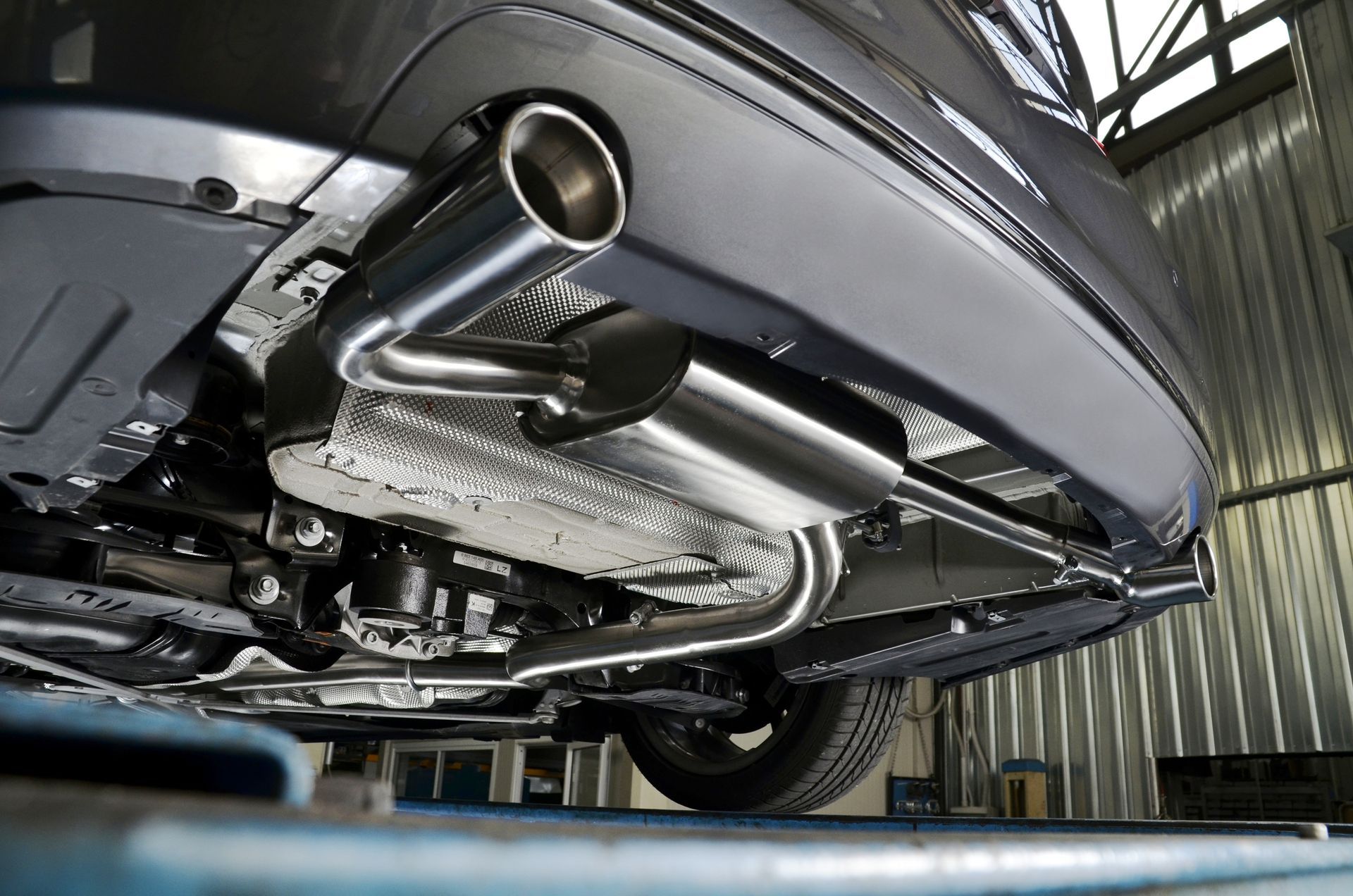
Your engine's main computer is constantly trying to maintain an ideal ratio. To do this, it relies heavily on the upstream oxygen sensor, which is screwed directly into your exhaust pipe ahead of the catalytic converter.
Think of this sensor as a highly specialized electronic eye. It samples the raw exhaust gases leaving the engine cylinders thousands of times every minute, measuring exactly how much unburned oxygen is left over from the combustion process. It flashes this live data straight back to the central computer. If the sensor reports too much oxygen, the computer realizes the engine is running lean and adds a splash of fuel. If it reports too little oxygen, the computer cuts back on the fuel. This constant, microsecond feedback loop is what keeps your vehicle running sharp and efficient.
Going into Open Loop Mode
Oxygen sensors live an incredibly brutal life. They are permanently mounted inside a stream of scorching exhaust gases that routinely exceed one thousand degrees Fahrenheit, and they are constantly bombarded by carbon soot, moisture, and chemical byproducts. Over time, the internal ceramic element inside the sensor simply wears out, degrades, or gets coated in a thick layer of black carbon.
When an O2 sensor becomes sluggish or completely blind, the feedback loop breaks down entirely. The car’s computer realizes it is no longer receiving accurate, reliable data from its primary exhaust eye.
To prevent the engine from running too lean, which can cause severe overheating and internal engine damage, the computer chooses a protective survival strategy known as open loop mode. The computer essentially drops a blindfold over its eyes, stops calculated adjustments, and defaults to a pre-programmed, static factory map. To err on the side of caution, this backup map intentionally dumps an excessive, incredibly rich stream of gasoline into the engine. Your vehicle will keep running smoothly, but it will start chuggling fuel at an alarming rate because it is running on a permanent safety override.
The Subtle Signs of a Dying O2 Sensor
While a massive drop in fuel economy is the primary financial symptom, your vehicle will drop a few other physical hints that its exhaust sensors are failing:
- A Lazy Check Engine Light: The onboard computer will usually illuminate the check engine light once it detects a slow or missing O2 sensor signal. However, a sensor can slowly degrade and report sluggish data for months before it finally drops far enough out of spec to trigger a hard diagnostic trouble code.
- A Shaky, Irregular Idle: Because the engine is swimming in an overly rich pool of fuel, the combustion process becomes slightly uneven. You might notice a subtle vibration through the steering wheel or a rough, stumbling rhythm when you are sitting completely still at a red light.
- A Rotten Egg Odor: When an engine burns way too much gasoline, the unburned fuel travels straight down the exhaust pipe. This overloads your emissions system, creating a distinct, sharp sulfur smell that mimics the scent of rotten eggs right outside your tailpipe.
The Costly Consequence of Postponing the Fix
It is incredibly tempting to ignore a bad O2 sensor, especially if the car seems to start and drive perfectly fine every morning. But driving on a rich fuel mixture is a massive gamble that extends far beyond the gas pump.
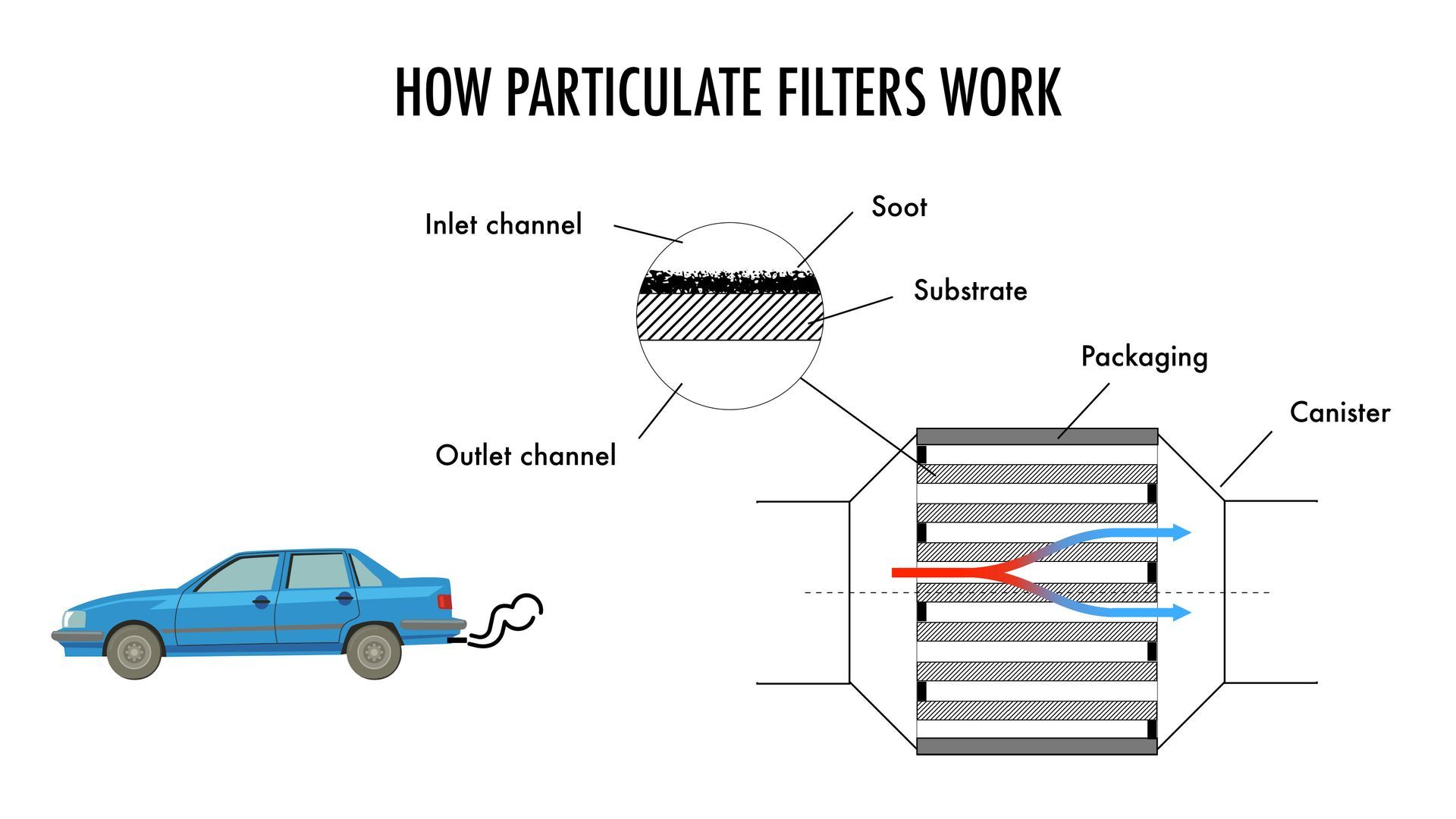
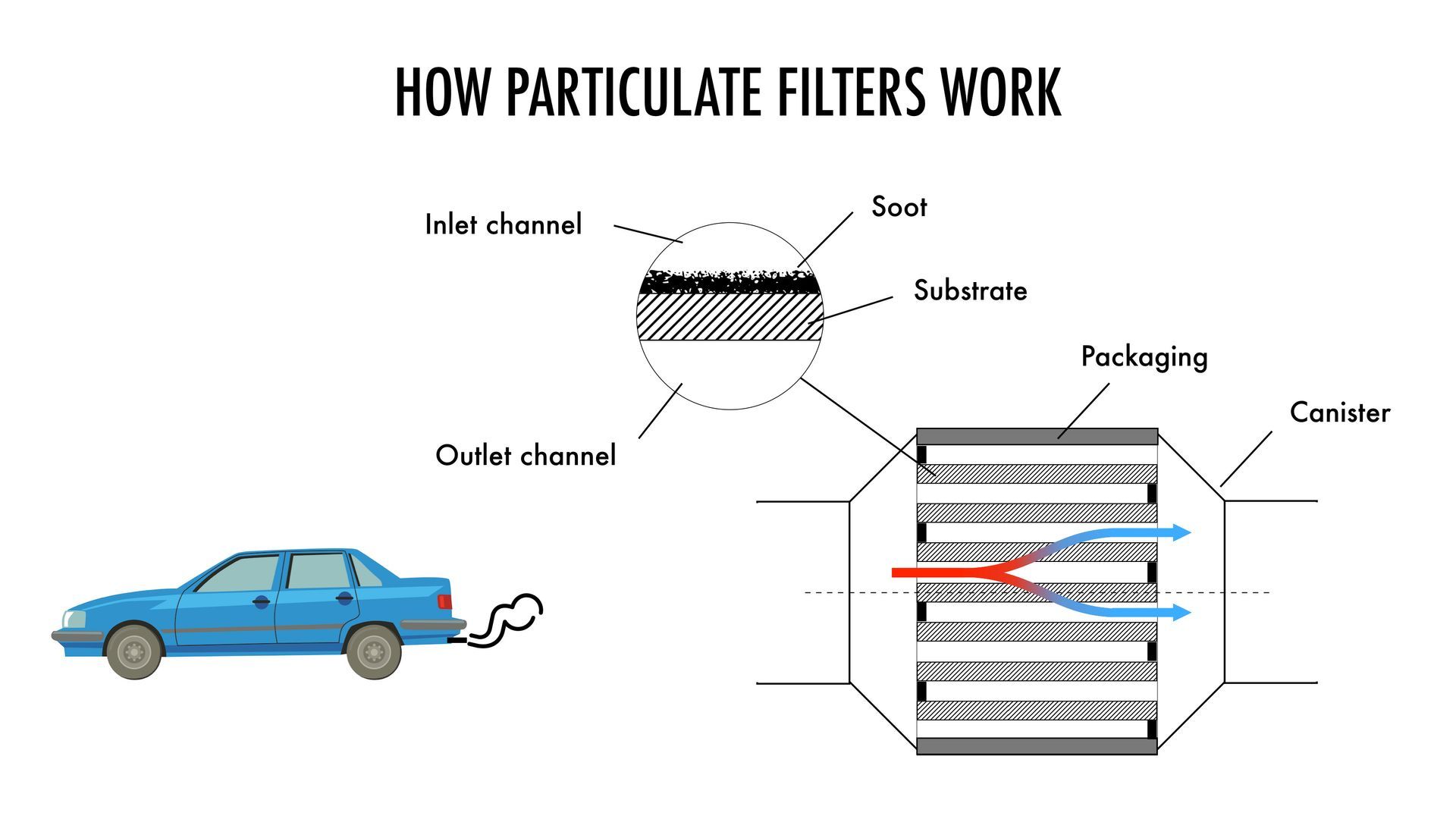
All that unburned, raw gasoline exiting your engine has to go somewhere. It flows directly into your catalytic converter, which is designed to burn away minor trace emissions, not handle raw fuel. The excess gasoline essentially catches fire inside the converter, causing internal temperatures to skyrocket until the precious metal honeycombs inside melt, shatter, and completely plug up your exhaust system.
Replacing a worn-out oxygen sensor is a routine, highly affordable service. But if you delay the repair and melt your catalytic converter, you are turning a minor fix into an ordeal that can easily cost thousands of dollars.
Let Us Restore Your Gas Mileage
You do not have to watch your hard-earned money vanish through your tailpipe. Our team of experienced, certified technicians can connect to your vehicle’s computer system, view the live voltage switching speeds of your oxygen sensors, and confirm exactly which component is dragging down your mileage. We use high-quality replacement parts to ensure your engine can see clearly again.
Notice your vehicle is visiting the gas station way more often than it used to?
Stop by the shop or book your appointment at
Ed Hanson's Muffler Service in Spring Valley, CA online today, and let our friendly team get your mileage back where it belongs!