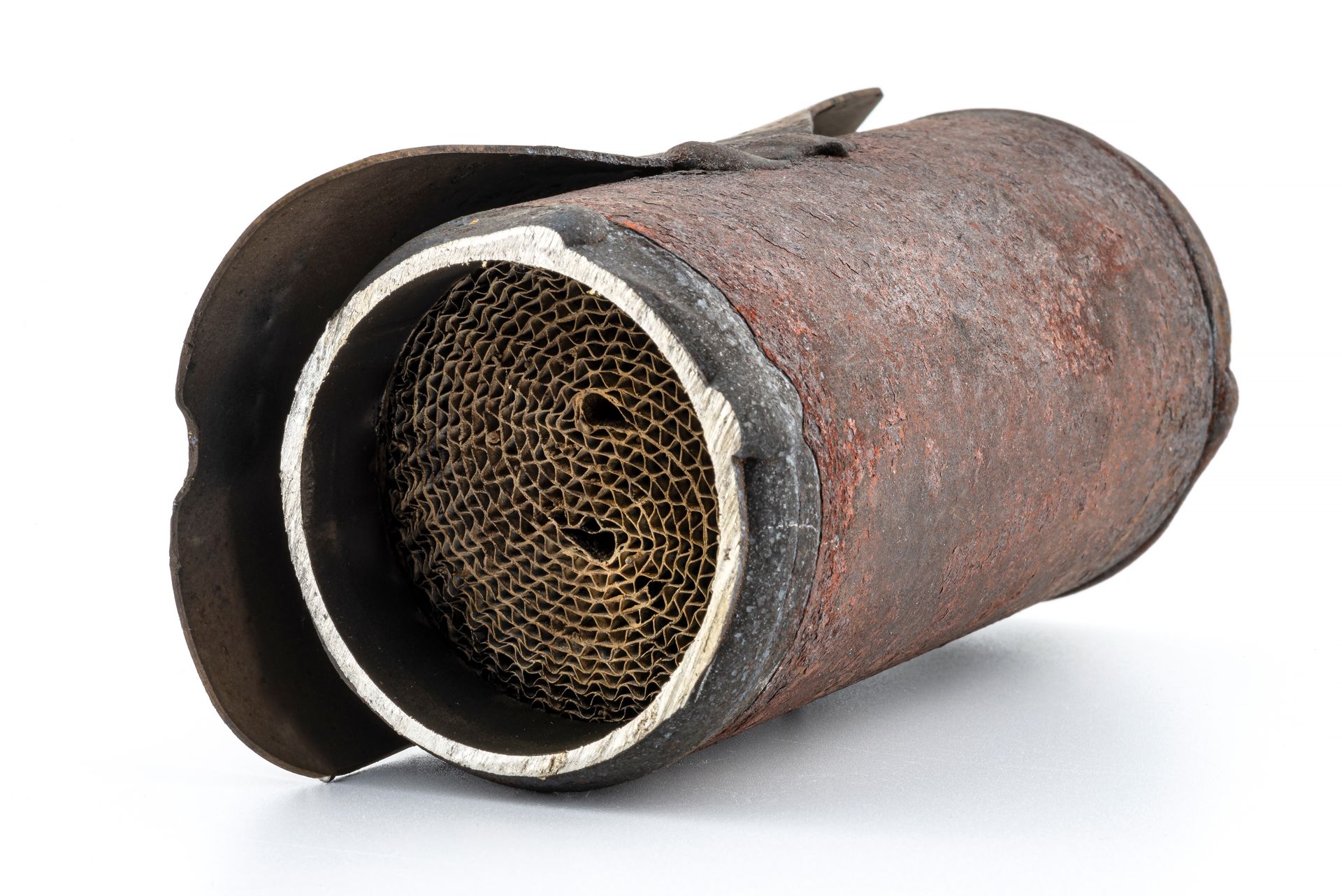
An exhaust leak is easy to think of as a noise problem. The car gets louder, the engine sounds rougher, or there is a ticking sound near the front of the vehicle. Annoying, yes, but not always something drivers treat as urgent.
That changes when exhaust fumes make their way into the cabin. Exhaust gases are supposed to move from the engine through the exhaust system and out the back of the vehicle. When a leak allows fumes to enter the area where you breathe, the problem becomes more than a sound. It becomes a safety concern.
Exhaust Fumes Can Contain Carbon Monoxide
Carbon monoxide is one of the biggest concerns with exhaust leaks. It is a colorless, odorless gas that can be dangerous because it is not reliably visible or detectable by smell. Exhaust also contains other gases and particles that do not belong inside the cabin.
Some exhaust smells are noticeable, especially if the leak is large or the engine is running rich. Still, the lack of a strong smell does not mean the air is safe. If fumes are entering the cabin, the vehicle should be checked before further driving, especially with the windows closed or the heater and A/C running.
The Leak May Start Near The Engine
Leaks near the exhaust manifold, manifold gasket, flex pipe, or front exhaust pipe can be especially concerning because they occur before the exhaust has moved far from the cabin. A small ticking noise at startup can be one of the first signs.
That ticking may get quieter as metal parts heat up and expand. Drivers sometimes take that as a sign that the problem is fading. More likely, the gap is changing with temperature. The leak is still present, and fumes can still escape under the hood or near the floor.
Cabin Airflow Can Pull Fumes Inside
Exhaust fumes do not need a wide-open hole in the cabin to get inside. Air pressure around a moving vehicle can pull fumes through small openings, worn seals, rust holes, floor gaps, trunk openings, or HVAC intake areas. The smell may be worse at idle, in traffic, or when the vehicle is stopped with the fan running.
Sometimes the smell changes depending on the window position. Opening one window can create airflow that pulls fumes in from the rear of the vehicle. That is one reason exhaust leaks near the back of the car can still affect the cabin, especially on hatchbacks, SUVs, vans, and older vehicles.
Symptoms Drivers Should Take Seriously
Exhaust fumes inside a vehicle can affect people differently. Some drivers notice the smell first. Others may feel off before they connect it to the car. Headaches, dizziness, nausea, tiredness, burning eyes, or throat irritation during or after driving can be warning signs.
Do not try to tough it out. If you feel unwell while driving and suspect exhaust fumes, get fresh air, stop in a safe place, and have the vehicle inspected. Children, older adults, pets, and passengers with health concerns can be more sensitive to poor cabin air.
Rust And Damage Can Open The System
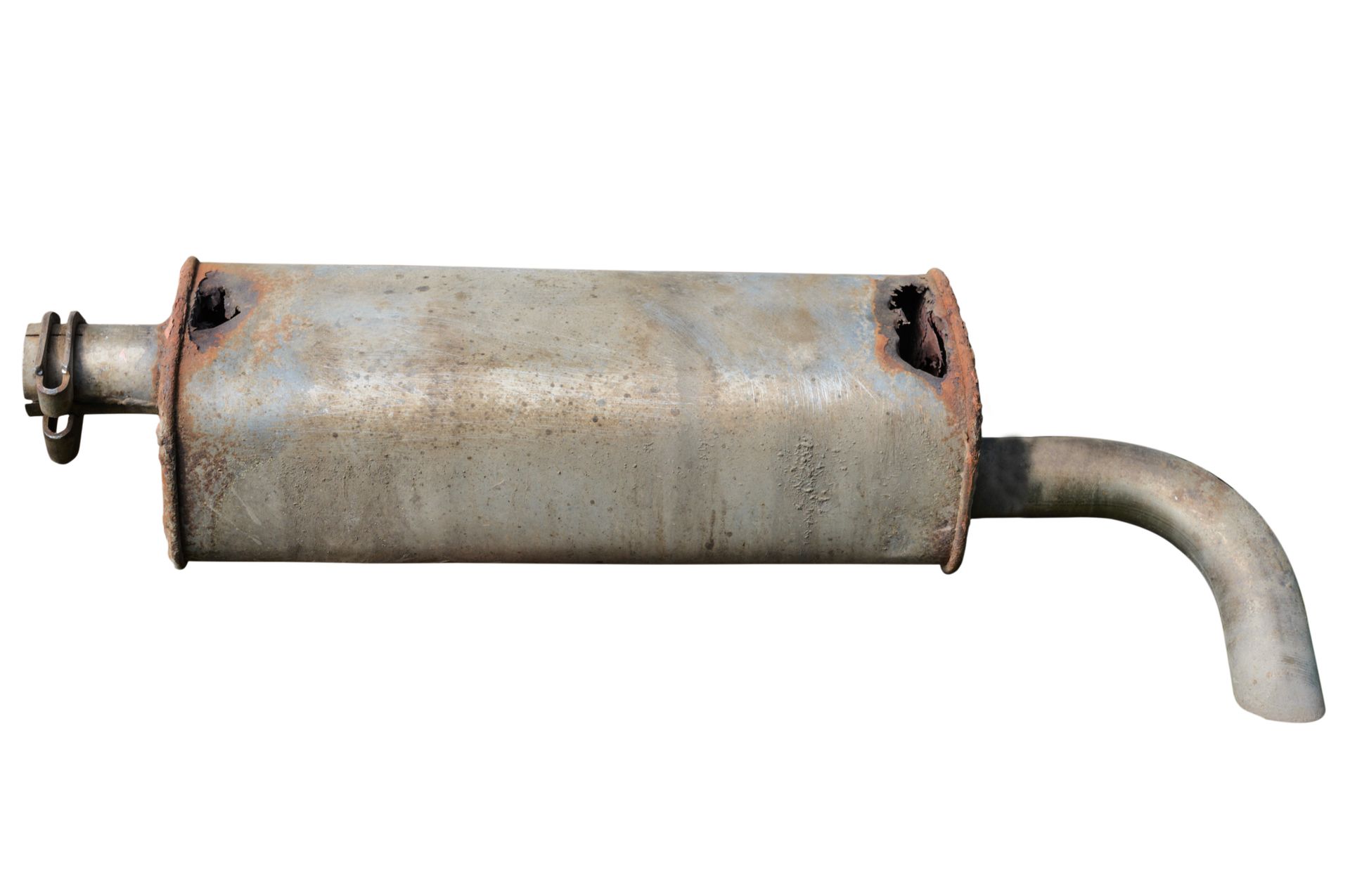
Exhaust systems live under the vehicle, where they are exposed to water, road debris, heat, vibration, and age. Rust can weaken pipes, mufflers, flanges, clamps, hangers, and seams. A curb hit, road debris strike, or failed hanger can also crack or separate exhaust parts.
A leak can start small and grow. What begins as a faint sound can become a louder rumble, stronger smell, or visible gap. Regular maintenance helps catch rusted hangers, loose clamps, cracked pipes, and weak welds before the exhaust system shifts or breaks further.
Performance And Fuel Economy Can Change Too
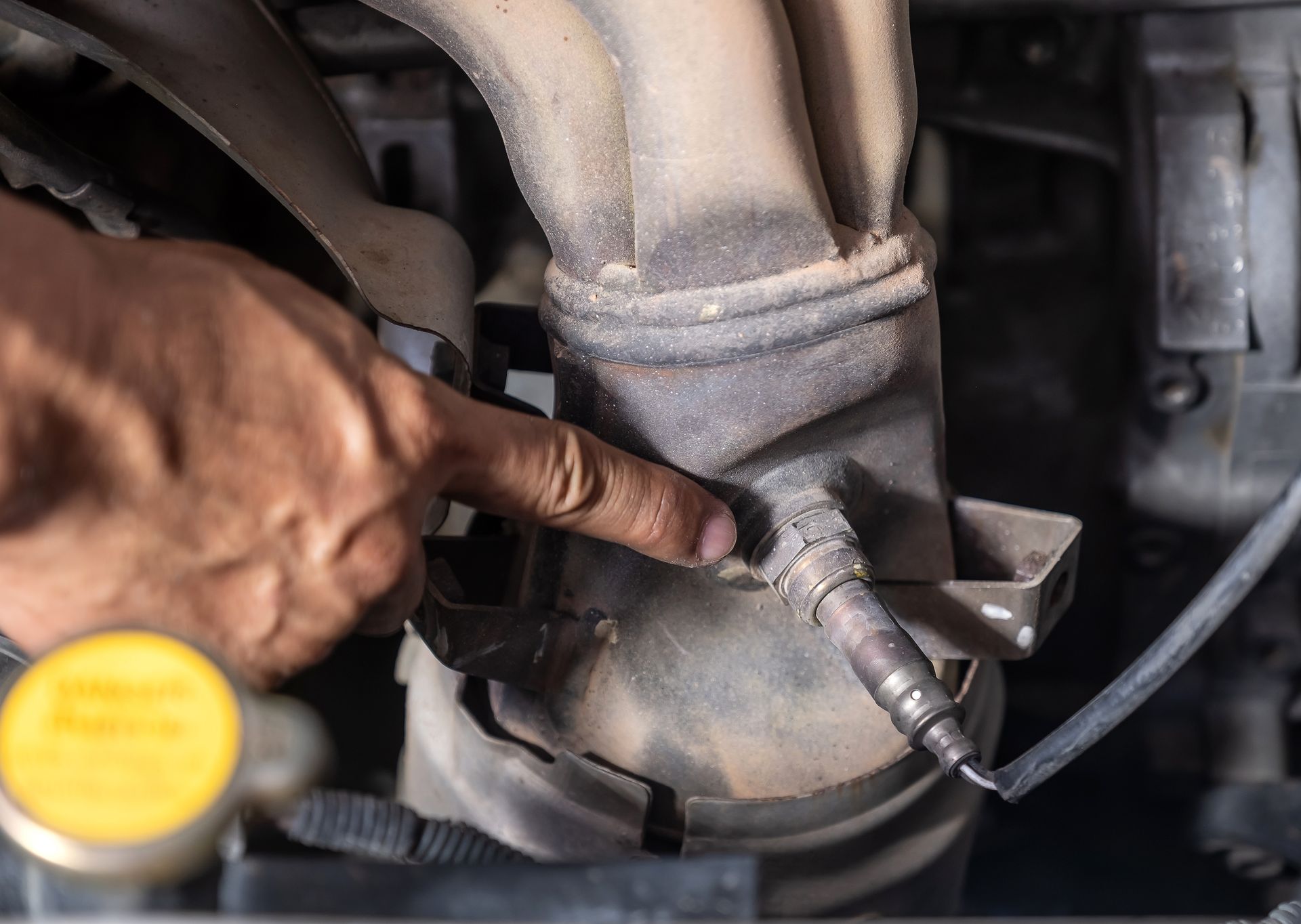
An exhaust leak can affect how the vehicle runs, especially if the leak is near oxygen sensors or before the catalytic converter. Extra air entering the exhaust can confuse sensor readings. The engine computer may adjust fuel delivery based on information that does not reflect what is really happening inside the engine.
That can lead to poor fuel economy, rough running, check engine lights, failed emissions tests, or catalytic converter stress. The safety issue comes first when fumes enter the cabin, but performance concerns can also arise if the leak is in the wrong place.
Why Exhaust Leaks Need A Careful Inspection
Exhaust leaks are not always easy to spot from the outside. A pipe can leak at a seam, gasket, flange, flex section, or hidden rust spot. Heat shields can rattle and sound like an exhaust leak even when the pipe is intact. A cracked manifold can hide behind other engine parts.
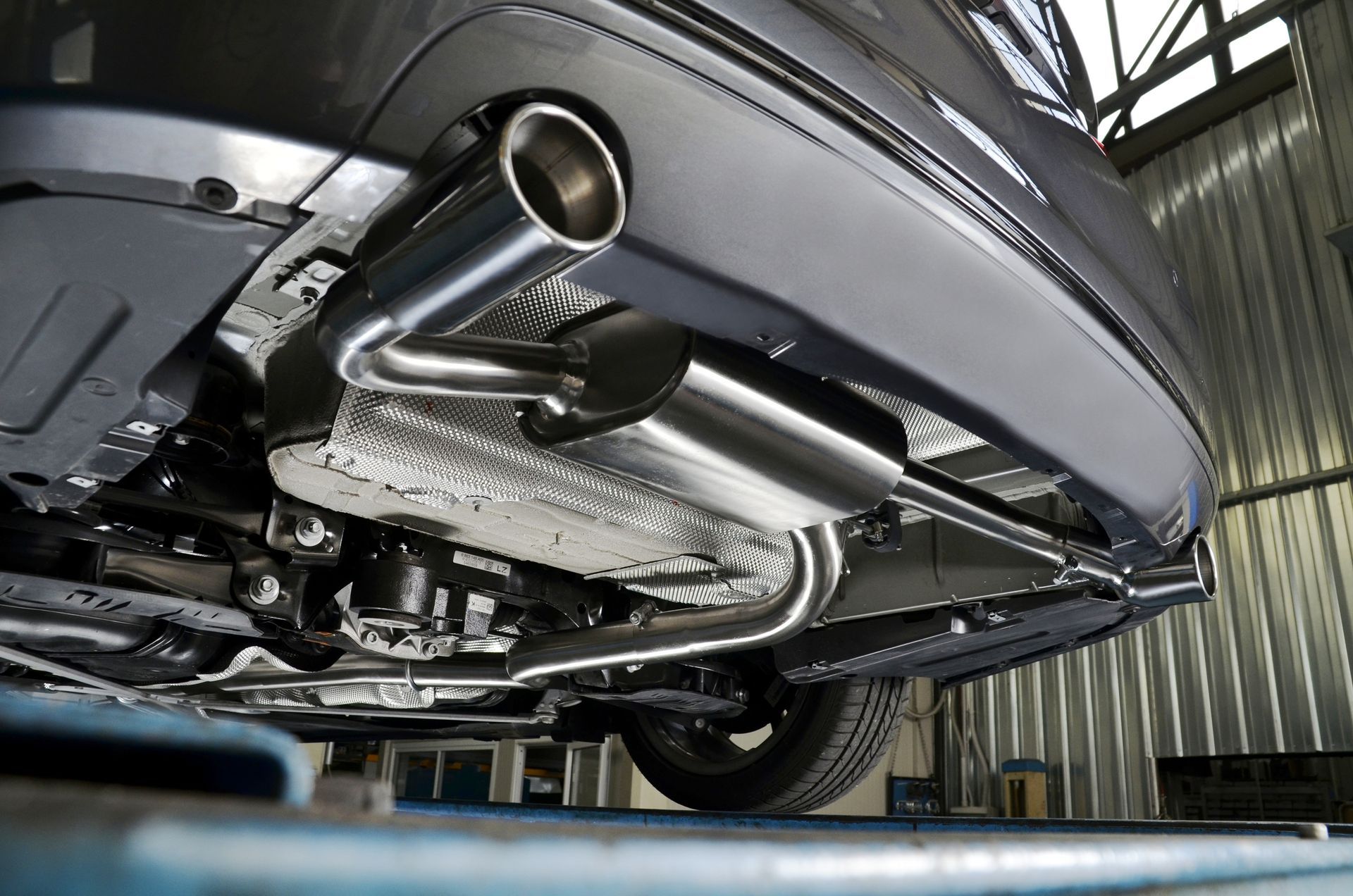
A proper inspection checks the exhaust path from the engine to the tailpipe. The shop may look for soot marks, cracks, rust, broken hangers, loose flanges, damaged gaskets, and signs that fumes could reach the cabin. The repair might be a gasket, pipe section, muffler, flex pipe, catalytic converter connection, or hanger repair, depending on what failed.
Get Exhaust Leak Repair In Spring Valley, CA, With Ed Hanson's Muffler Service
If your vehicle smells like exhaust inside, sounds louder than normal, has a ticking noise, or leaves you feeling lightheaded after driving, Ed Hanson's Muffler Service in Spring Valley, CA, can inspect the exhaust system and find the leak.