A custom exhaust on a classic car can look straightforward until you put the vehicle on the lift. There may be plenty of room under one side of the floor and almost none near the transmission crossmember. A larger rear axle, aftermarket suspension, headers, or a lowered ride height can take away space that the original exhaust never had to deal with.
That’s why exhaust fabrication should start with fitment, not just pipe diameter or muffler choice. We want to know how the suspension moves, where heat will collect, and what has already been changed on the car before cutting and welding anything. A system that fits while the car is sitting still can still bang, scrape, or cook nearby parts once it’s being driven.
1. Clearance Around the Floor, Frame, and Drivetrain
Older cars rarely have perfectly generous exhaust tunnels, especially after transmission swaps or other drivetrain changes. A pipe that clears the floor by half an inch on the lift can touch once the engine twists under acceleration or the exhaust expands from heat.
At our shop, we check clearance around the transmission, driveshaft, crossmembers, frame rails, brake lines, fuel lines, and body seams before deciding the route. The goal isn’t to tuck the pipes as high as physically possible. They need enough room to move without striking the body and enough ground clearance that speed bumps and driveway entrances don’t become a problem.
2. Rear Axle and Suspension Travel
The area over the rear axle is one of the easiest places to get wrong. With the car sitting at normal ride height, the exhaust may appear to have plenty of room. Once the suspension compresses, the axle housing, upper control arms, sway bar, or shocks can move much closer to the pipe.
We like to consider the full suspension range, especially on cars with lowered springs, air suspension, coilovers, or a rear axle that didn’t come from the factory. Tailpipes that knock only when passengers are in the back seat or when the car hits a large dip are usually telling you the system was built without enough room for suspension movement.
3. Headers Don’t Always Exit Where You Want Them
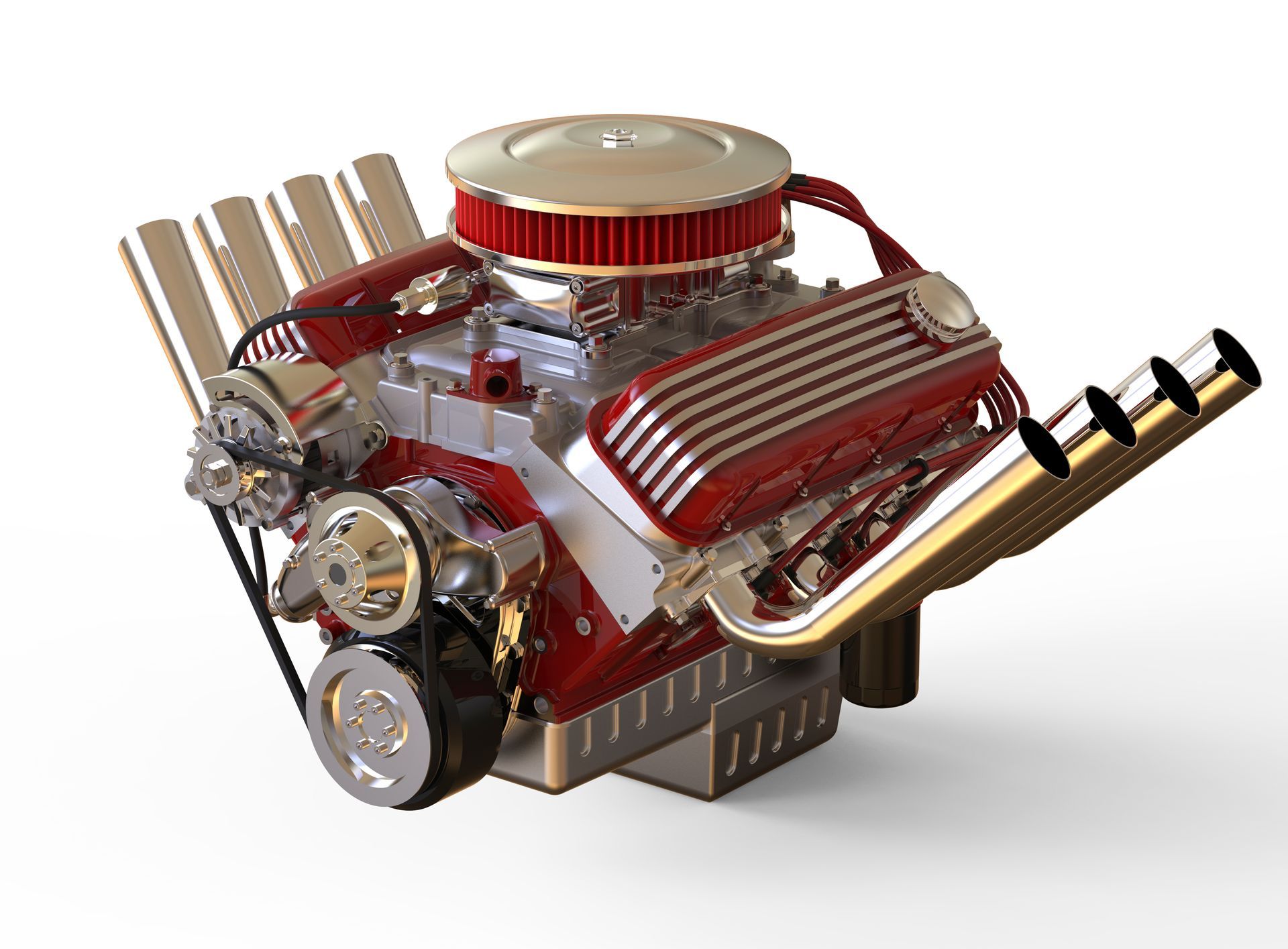
Headers can completely change the front half of an exhaust build. Long-tube headers may place the collectors lower or farther back than stock manifolds, and aftermarket parts don’t always fit the rest of the car as neatly as the catalog photo suggests.
Steering boxes, starter motors, clutch linkage, transmission pans, and floor braces can all compete for the same space. Sometimes one side needs a different bend sequence than the other. Trying to force both pipes into a perfectly symmetrical layout can actually create worse clearance. On a classic car, clean fitment is more useful than making the underside look mathematically identical from side to side.
4. Muffler Size and Location Affect More Than Sound
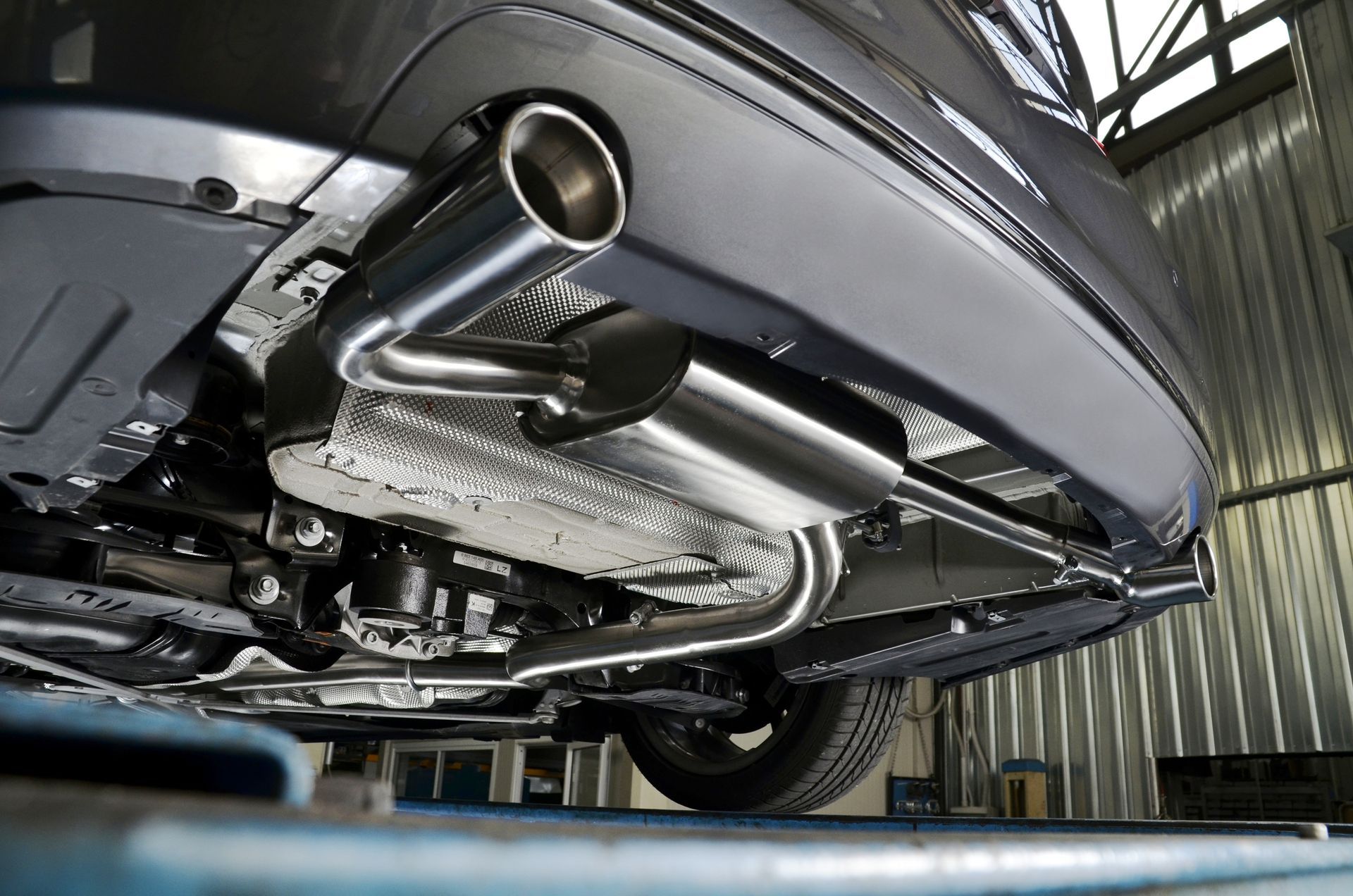
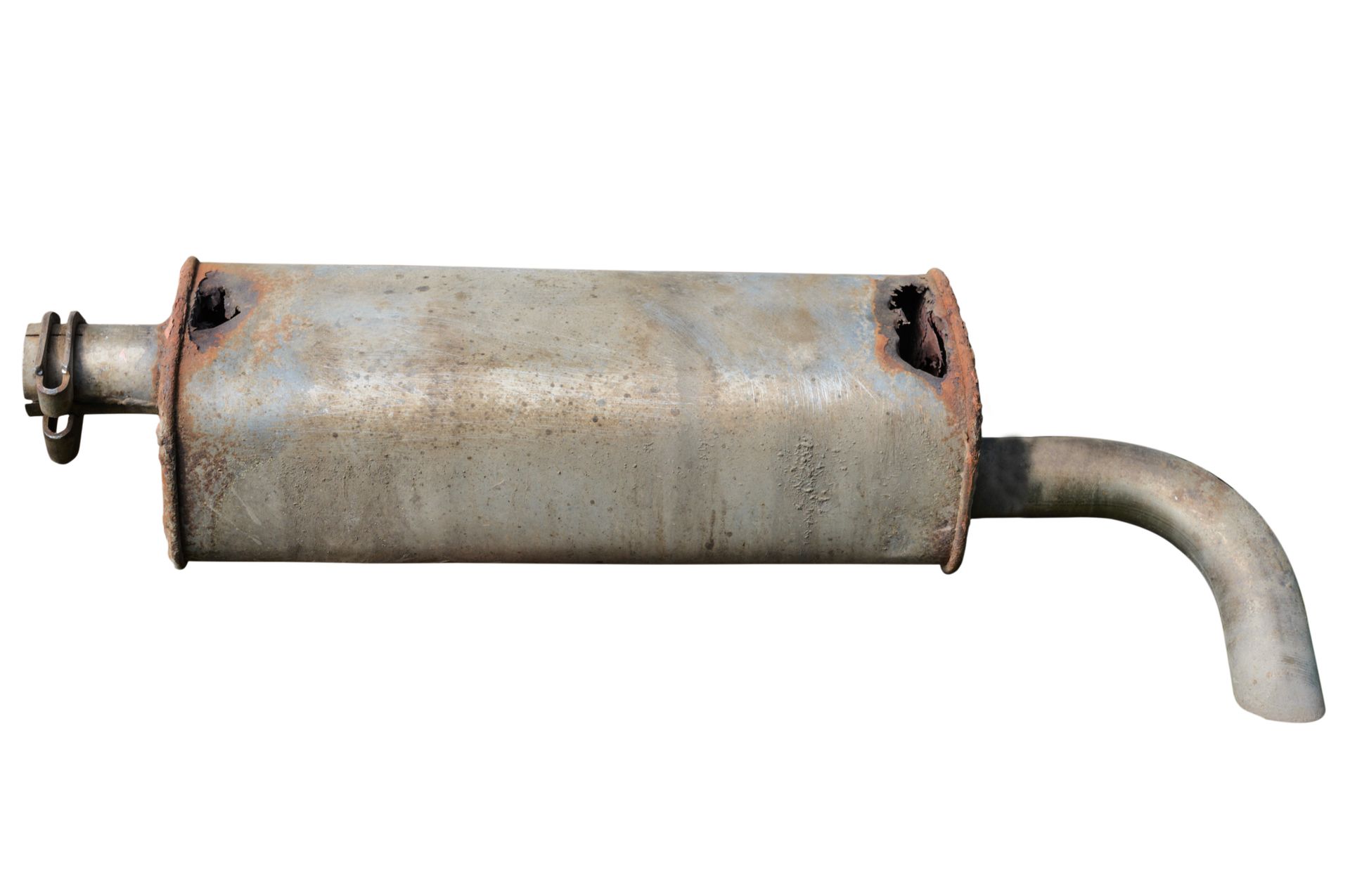
A large muffler may give you the exhaust tone you want but create a packaging problem under a smaller classic chassis. The muffler case has to clear the floor, driveshaft, parking brake cables, and suspension while still leaving room for hangers.
Heat matters here too. Mounting a muffler too close to the floor can raise cabin temperature and create an annoying hot spot under the seat. We also look at where the inlet and outlet sit because that determines how cleanly the pipes can enter and leave the muffler. Choosing the muffler before checking the space available can lead to awkward bends that hurt both fitment and flow.
5. Tailpipe Routing Can Become the Hardest Part
Getting from the mufflers to the rear bumper often takes more planning than the rest of the system. Fuel tanks, leaf springs, shocks, spare tire wells, rear sway bars, and body braces can leave only a narrow path for the tailpipes.
A few areas need to be checked closely before the final sections are welded:
- Tailpipe clearance from the fuel tank and fuel lines
- Space around leaf springs or rear suspension links
- Room for the axle to move through full travel
- Distance from bumper trim and body panels
- Hanger locations that support the pipe without pulling it sideways
The exit point matters as well. A tailpipe ending too close to the body can leave soot stains or send exhaust into the cabin. One that hangs too low may scrape every time the car enters a driveway.
Build the System Around the Car You Actually Have
Classic cars are rarely completely stock after several decades. Engine swaps, different transmissions, upgraded brakes, new fuel systems, altered suspension, and past exhaust repairs can all change what fits underneath. That’s why we measure the actual vehicle rather than assuming a factory-style routing will still work.
A thorough inspection before fabrication also lets us spot weak mounts, fuel or brake lines that need attention, and areas where previous repairs could interfere with the new exhaust. Regular maintenance becomes easier too when the finished system leaves reasonable access to service points instead of trapping components behind pipes.
Get Classic Car Exhaust Fabrication In Spring Valley, CA, With Ed Hanson's Muffler Service
If you’re building or updating the exhaust on a classic car, Ed Hanson's Muffler Service in Spring Valley, CA, can help you plan routing around the drivetrain, suspension, fuel system, and body before fabrication.