A loud exhaust sound can make a car feel older overnight. One day, the vehicle sounds normal. The next day, every startup echoes off the driveway, and every press of the gas makes people turn their heads.
Sometimes the muffler is the reason.
Sometimes it is only getting blamed because the noise is coming from the same area. Exhaust pipes, hangers, clamps, gaskets, catalytic converters, flex pipes, and rusted connections can all create sounds that seem like a bad muffler from the driver’s seat.
Start With Where The Sound Is Coming From
A muffler problem often sounds like a deep rumble from the rear of the vehicle. If the sound gets louder during acceleration and seems to come from behind you, the muffler or tailpipe is a good place to start.
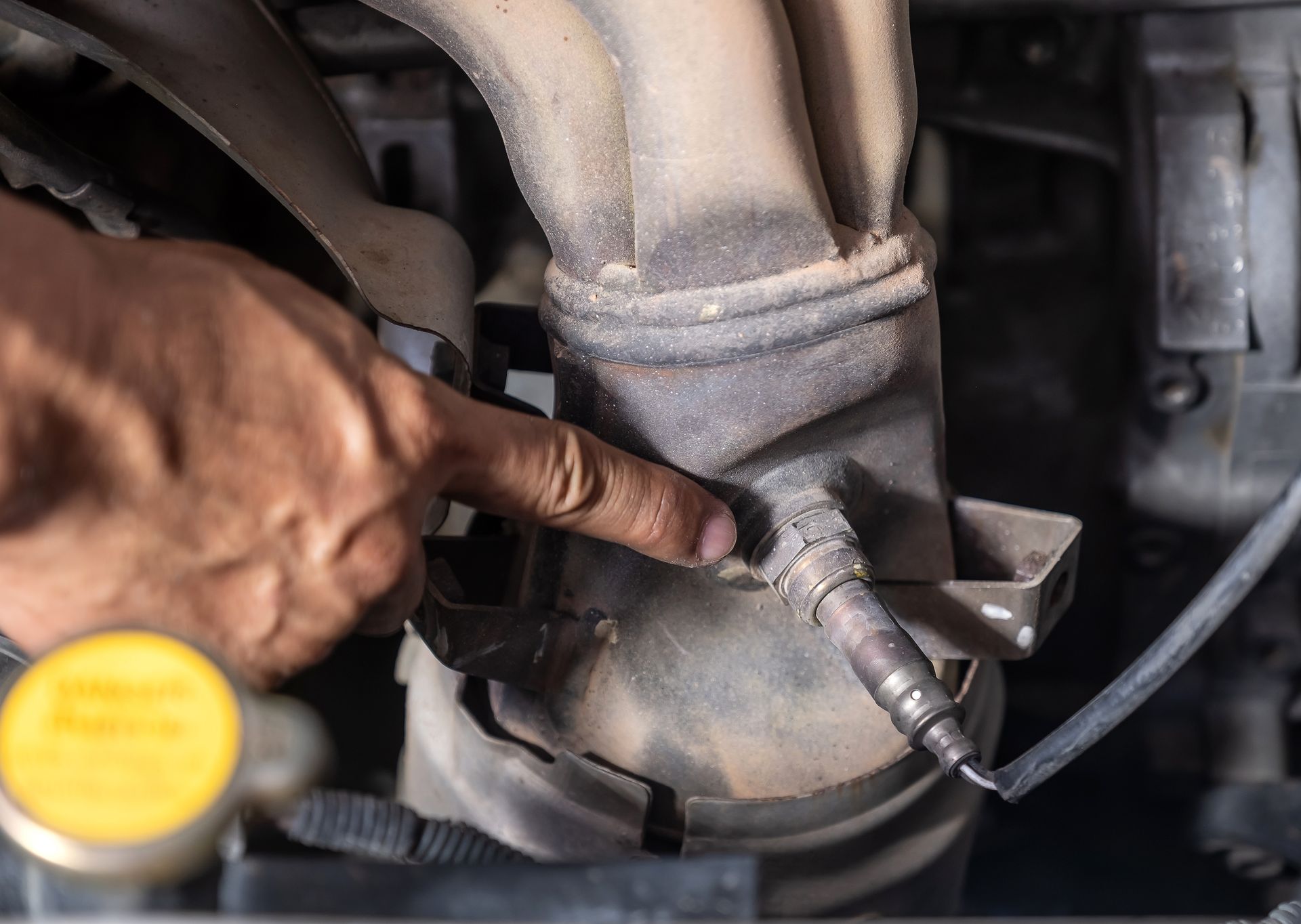
A sharper ticking sound near the front of the vehicle points somewhere else. That can come from an exhaust manifold leak, a broken gasket, a cracked pipe, or a loose connection closer to the engine. A metallic rattle underneath might be a loose heat shield, broken hanger, or internal exhaust part moving around.
The sound location matters. We listen for where the noise starts, when it changes, and whether it follows engine speed or road vibration. Those clues keep the repair from turning into a parts swap.
What The Muffler Actually Does
The muffler reduces exhaust noise before gases leave the tailpipe. Exhaust leaves the engine in pulses, and the muffler uses internal chambers and passages to quiet those pulses down. When it is working properly, the vehicle sounds controlled instead of harsh.
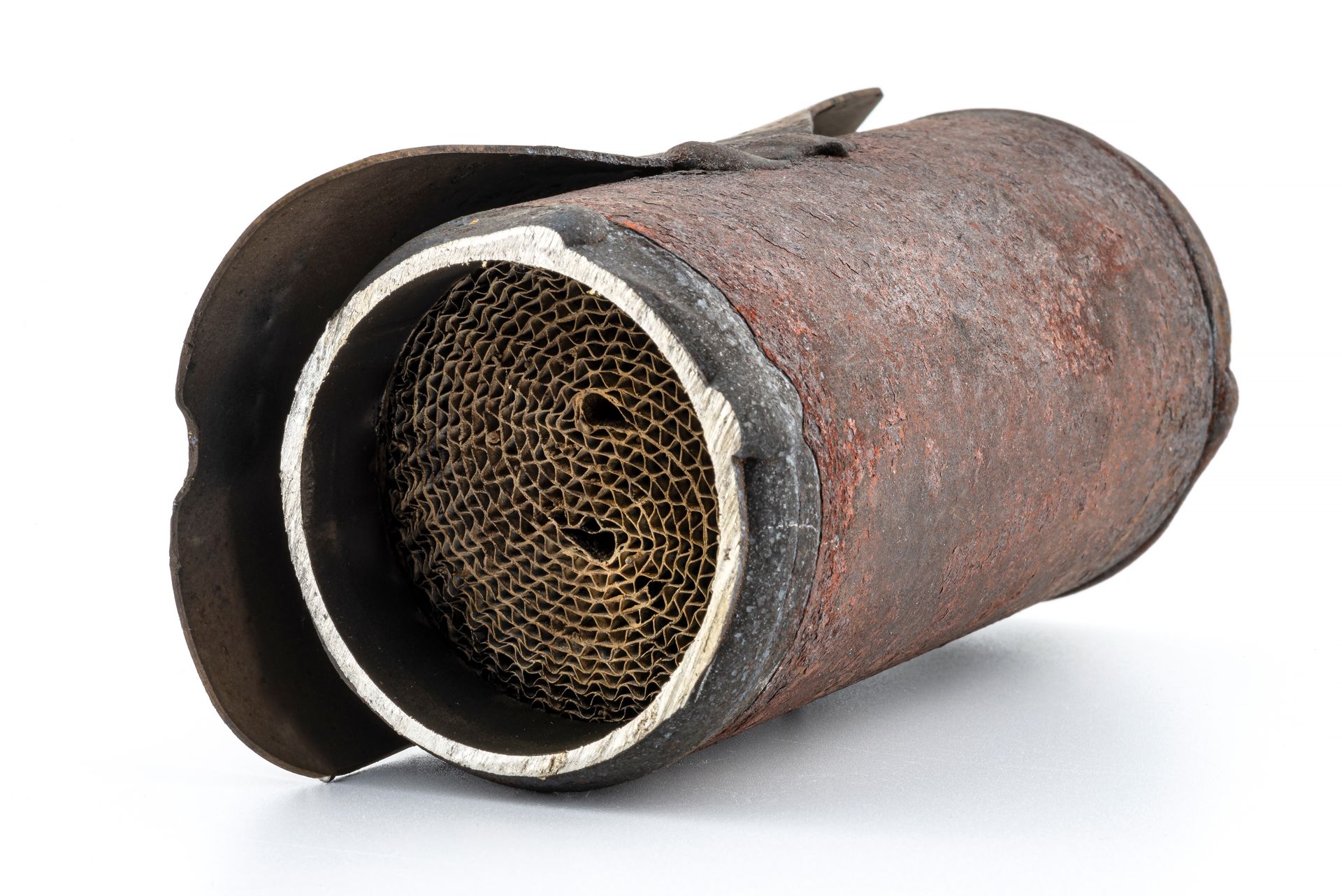
A muffler also helps route exhaust safely toward the rear of the vehicle. It is not the same as the catalytic converter, and it does not clean the exhaust in the same way. Its main job is noise control and proper exhaust routing.
When the muffler rusts through, cracks, or separates at a seam, the sound changes quickly. That is when a normal exhaust note becomes a loud drone, rumble, or rough bark.
When The Muffler Is The Problem
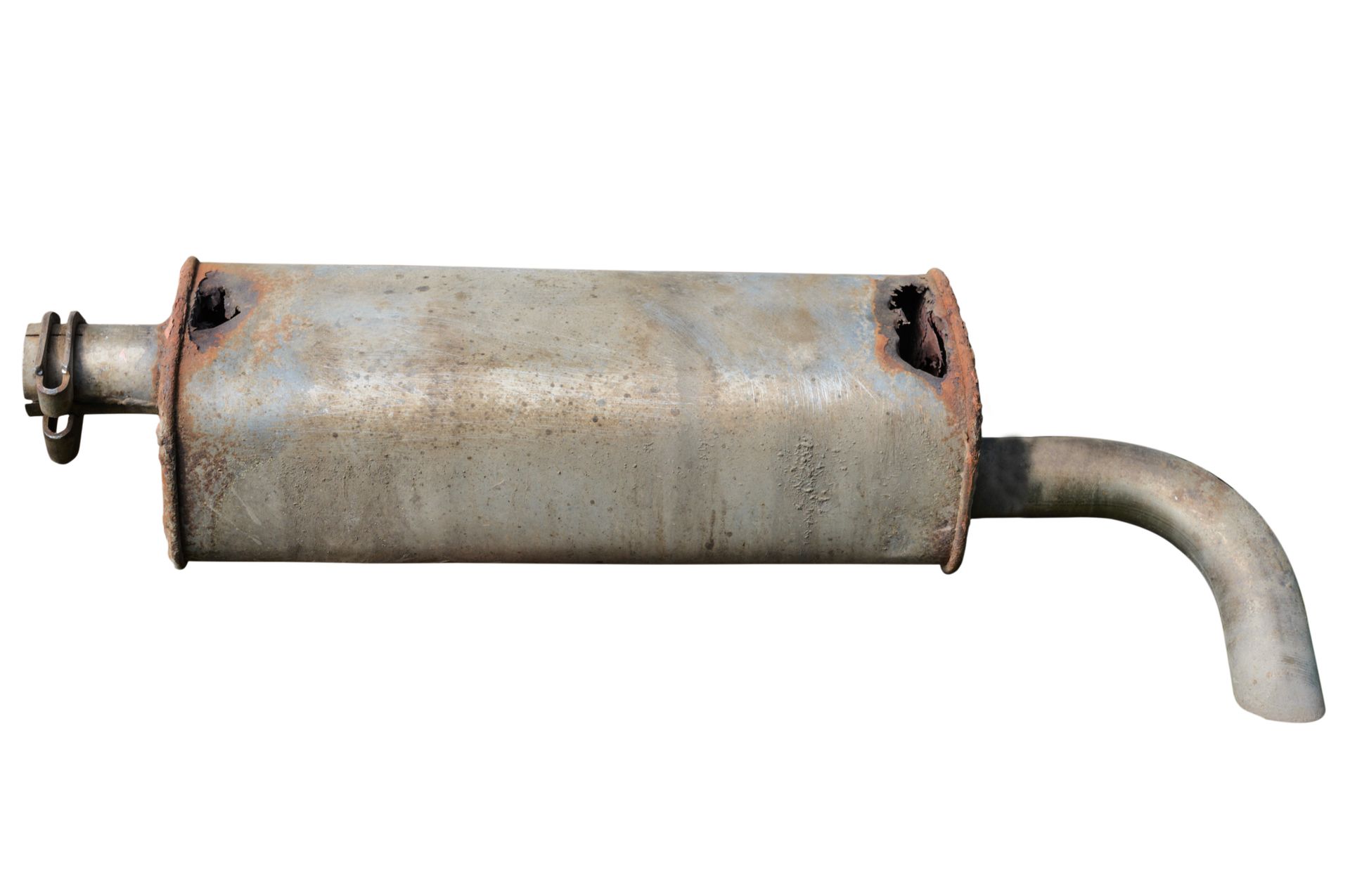
A muffler can fail from rust, impact damage, age, road salt, moisture, or weak welds. Short trips can make rust worse because condensation builds inside the exhaust and may not burn off fully. Over time, that moisture works from the inside out.
Common muffler clues include a louder exhaust at the rear, visible holes, rust flakes, exhaust smell near the back of the car, or a rattling sound inside the muffler body. If the shell is thin and rusty, patching one small spot may not buy much time.
That is where an inspection helps. A small crack in solid metal is one thing. A hole surrounded by soft rust is another. The repair choice depends on how the rest of the muffler looks.
When Nearby Exhaust Parts Are To Blame
The muffler is not always guilty. A loose clamp, a cracked pipe, a worn gasket, a broken flange, or a damaged flex pipe can make the exhaust sound much louder. The noise may travel under the vehicle, making it seem like it comes from the rear.
Flex pipes are a common source of confusion. When they split, the sound can be sharp and raspy, especially during acceleration. Exhaust manifold leaks can make a ticking sound that is louder when the engine is cold, then fades as the metal expands.
Our technicians inspect the entire exhaust path before recommending a muffler replacement. If the leak is ahead of the muffler, replacing the muffler will not fix the sound.
Rattles, Rust, And Broken Hangers
A rattle under the car does not always mean the muffler has failed. Exhaust hangers hold the system in place with rubber mounts and brackets. If a hanger breaks, the muffler or pipe can hit the body, rear axle area, or heat shields.
Heat shields can rattle, too. Thin metal shields protect nearby parts from exhaust heat, but they can loosen with age or rust around the fasteners. That kind of rattle may happen only at idle, on rough roads, or at a certain RPM.
Rust can turn a small movement into a bigger problem. Once the exhaust is hanging crooked or bouncing around, pipes and joints take extra stress. A simple hanger repair caught early can prevent a cracked pipe or broken connection later.
Why Exhaust Leaks Need A Careful Look
A loud exhaust is annoying, but sound is not the only concern. Exhaust leaks can let fumes escape before they reach the tailpipe. If the leak is under the cabin or near the front of the vehicle, it warrants more immediate attention.
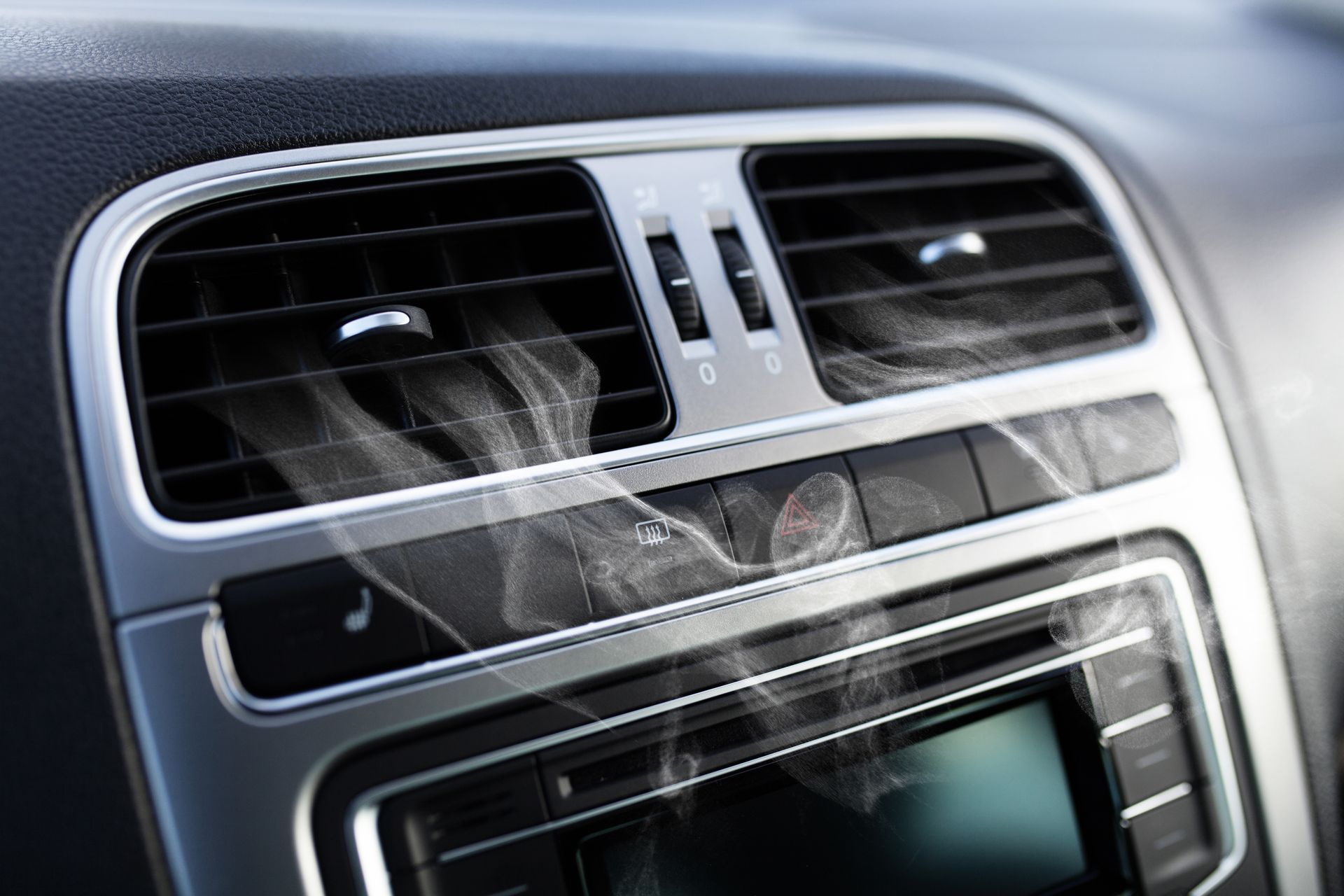
You may smell exhaust while idling, hear a ticking noise under load, or notice the sound changes with the windows up versus down. If exhaust odor enters the cabin, do not treat it like a normal old-car smell.
Regular maintenance is a good time to look underneath for rusted clamps, loose hangers, weak seams, and small leaks. Exhaust problems are usually easier to handle before sections break apart or become too rusty to save.
Get Muffler Service In Spring Valley, CA, With Ed Hanson's Muffler Service
If your vehicle has gotten louder, started rattling, or smells like exhaust, Ed Hanson's Muffler Service in Spring Valley, CA, can check the muffler, pipes, hangers, clamps, and nearby exhaust parts.