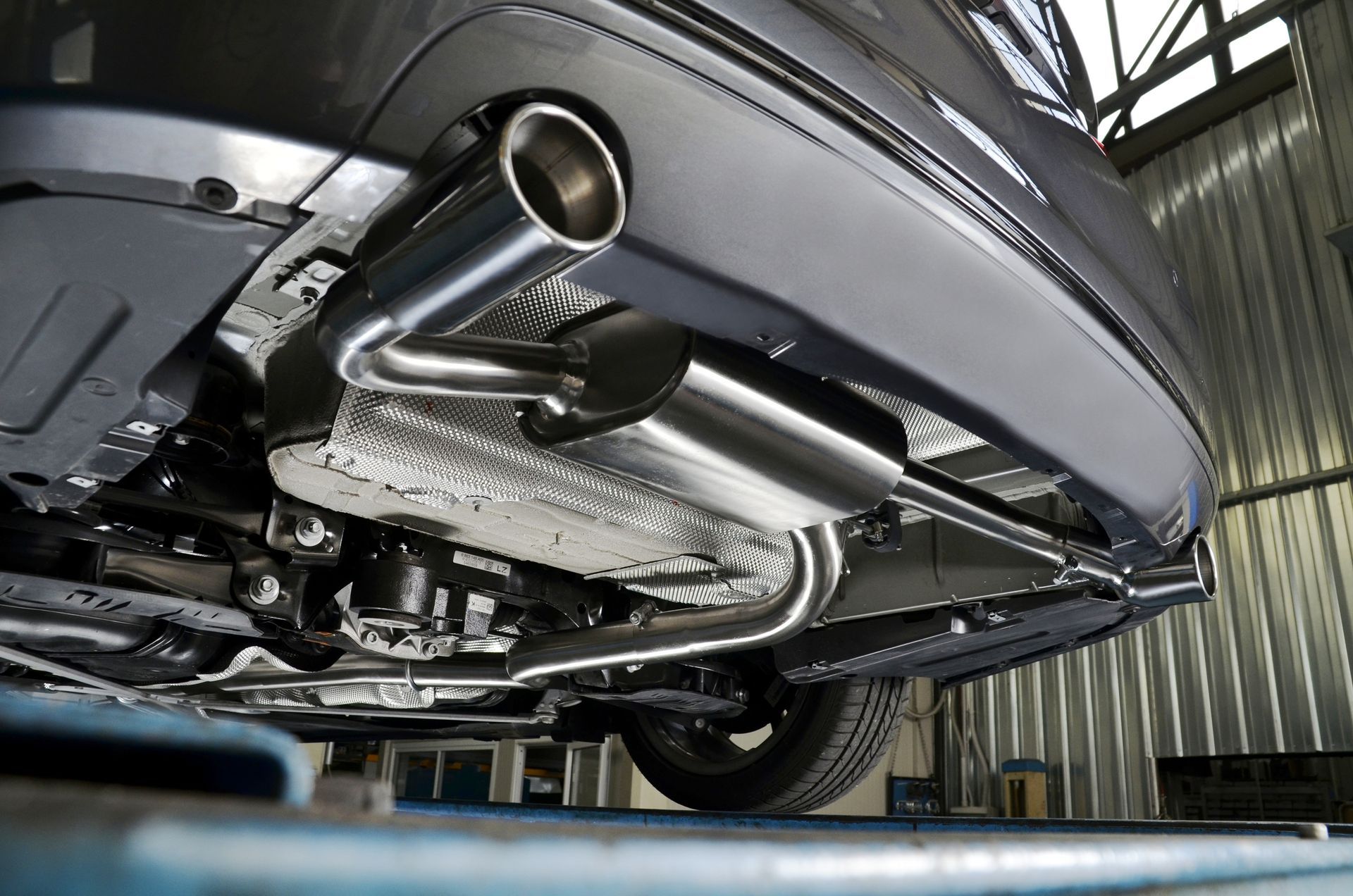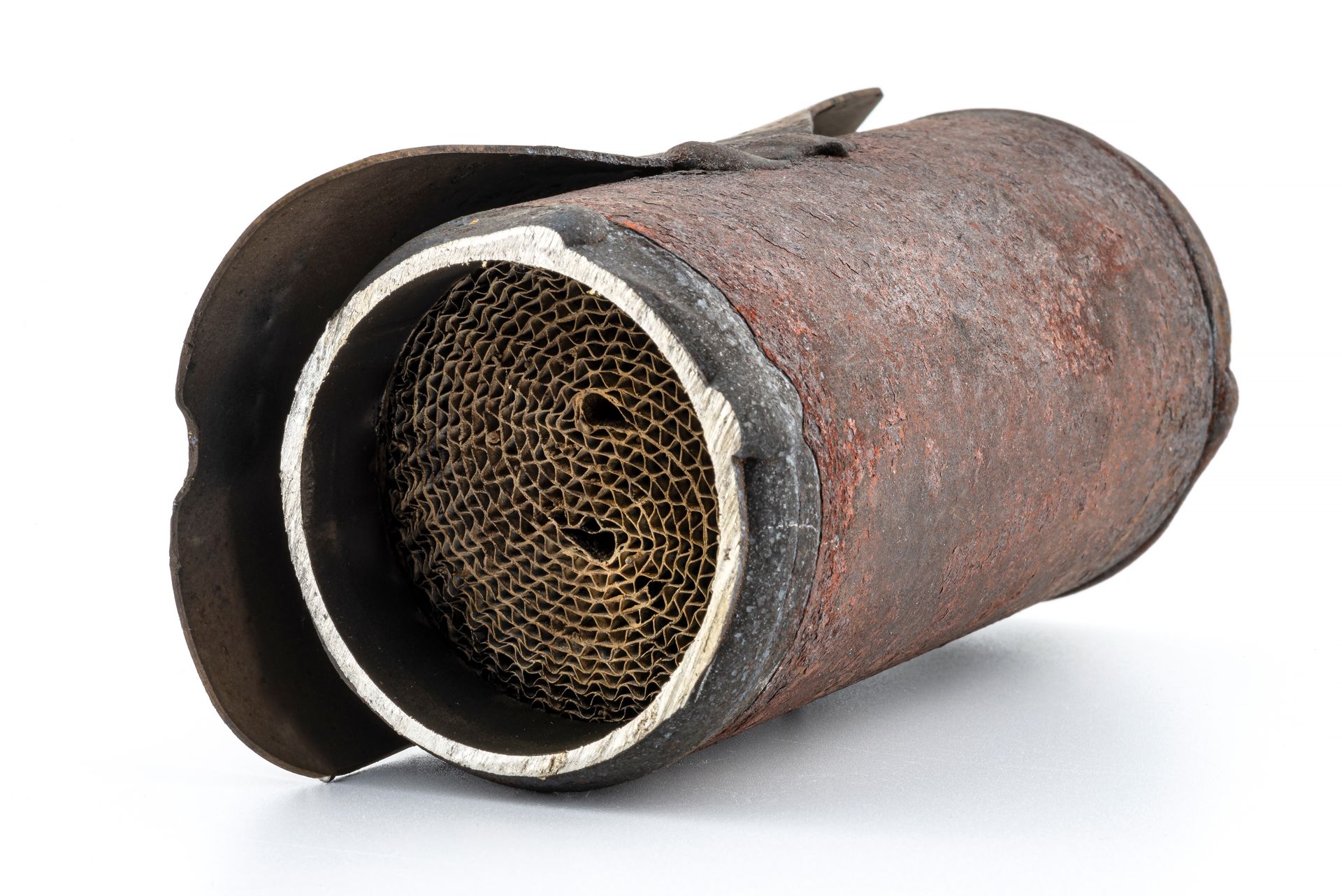
A diesel particulate filter, or DPF, is built to trap soot before it leaves the exhaust. That is good for emissions, though it creates a new responsibility inside the vehicle. The soot has to be burned out of the filter regularly, or the exhaust system starts plugging up.
That self-cleaning process is called regeneration.
What The DPF Is Actually Doing
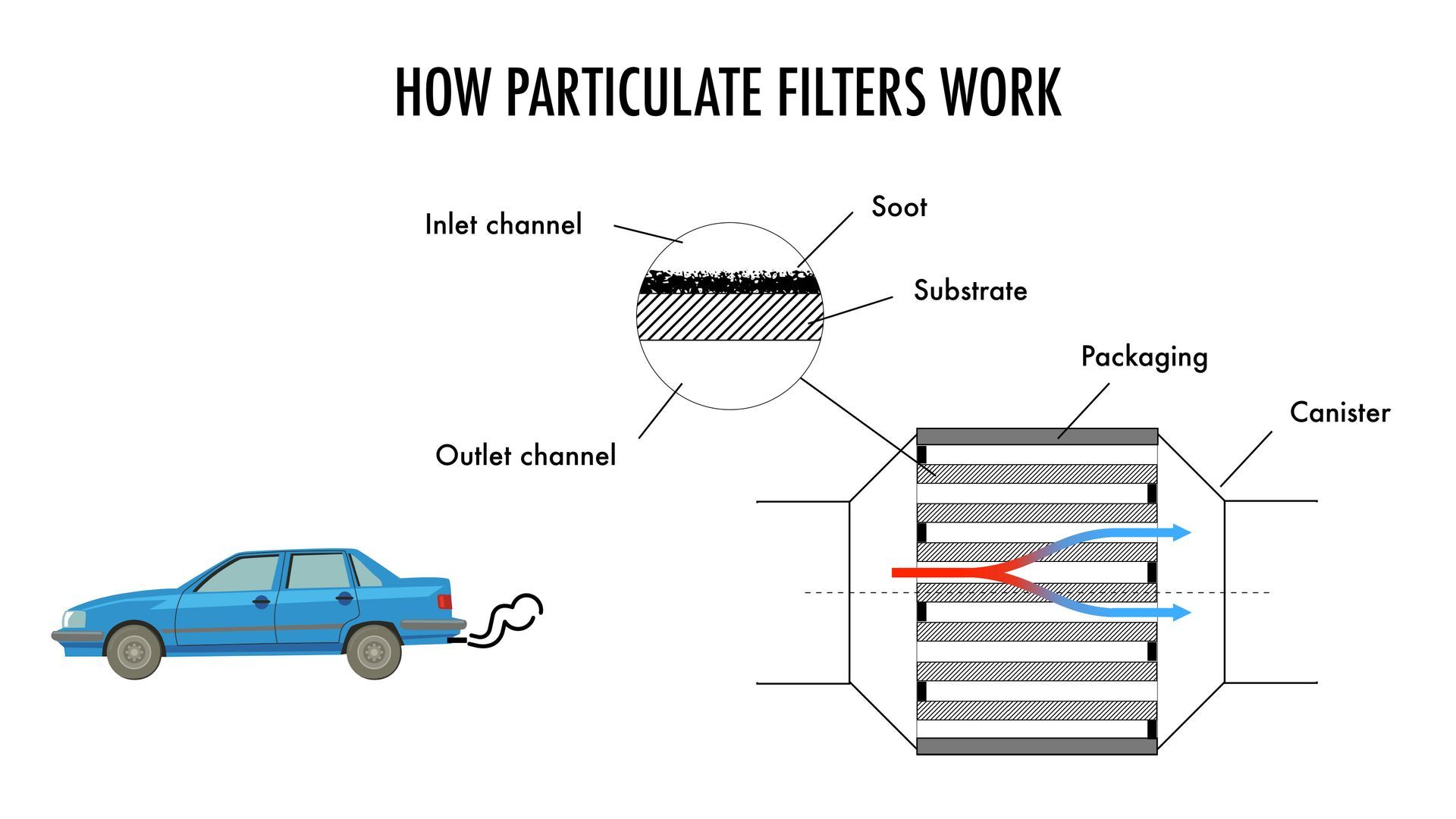
The DPF sits in the exhaust stream and catches fine soot particles produced during normal diesel combustion. Instead of sending that soot out the tailpipe, the filter stores it until the vehicle reaches the conditions needed to burn it off. That is why the DPF is not a disposable part in normal use. It is designed to clean itself again and again.
This system works well when the engine, sensors, and exhaust temperatures are doing what they should. Once one part of that process slips, soot starts building faster than the vehicle can remove it. That is when warning lights, reduced power, and drivability complaints begin showing up.
How Regeneration Burns The Soot Away
Regeneration raises the exhaust temperature high enough to burn the trapped soot into a much smaller amount of ash. That heat can happen during steady highway driving, or the engine computer can trigger extra fuel delivery and timing changes to raise exhaust temperature on purpose. Either way, the goal is the same: clean out the filter before restriction becomes a problem.
Most drivers never notice a successful regen. The process usually happens in the background while the vehicle is being driven long enough and hard enough to support it. In some vehicles, though, you may notice a slightly higher idle, cooling fans running longer, or a different exhaust smell during the process.
Signs The DPF Is Struggling To Regenerate
When regeneration is being interrupted or the filter is loading up too quickly, the vehicle starts leaving clues.
- A DPF or check engine warning light comes on
- Fuel economy starts dropping
- The engine feels less responsive under load
- Cooling fans run longer than usual
- Idle speed changes during a drive
- The vehicle enters reduced power mode
These signs should be taken seriously early. Once the soot load climbs too high, the vehicle may stop attempting normal regen and require a more involved repair.
Why Short Trips Create So Many DPF Problems
DPF systems do best when the vehicle gets enough sustained driving time to build and hold exhaust heat. Short trips work against that process. The engine barely warms up, the exhaust never reaches the right temperature for long, and regeneration gets delayed or interrupted again and again.
This is one reason diesel vehicles used mainly for short local driving tend to have more DPF trouble. The filter keeps collecting soot, though the driving pattern never gives the system a fair chance to clean itself out. We see this regularly on trucks and diesel cars that are driven lightly all week and rarely get a steady run on the highway.
What Happens When The Filter Gets Too Full
Once soot loading climbs too far, exhaust backpressure rises, and the engine has to work harder to push gases through the system. That affects power, fuel use, and overall performance. The engine management system will usually detect that restriction and respond with warning lights, limited power, or repeated regen attempts.
At that stage, the problem is no longer just an emissions issue. Excess backpressure puts additional stress on the turbocharger, increases exhaust system heat, and hurts overall drivability. Keep driving too long with an overloaded DPF, and a problem that started as soot buildup turns into a much more expensive exhaust or engine repair.
Why Regeneration Fails In The First Place
A plugged DPF is not always the root problem. In many cases, something else caused the filter to load up faster than normal or prevented regen from finishing properly. Failed exhaust temperature sensors, pressure sensor faults, injector problems, EGR issues, turbo problems, and thermostat faults are all common contributors.
That is why guessing is expensive here. Replacing a DPF without finding the reason it stopped regenerating will usually lead right back to the same issue. A complete inspection should look at soot load, sensor data, temperature control, and the engine conditions that support proper regeneration in the first place.
How To Help The System Work The Way It Should
Drivers do have some control over how well a DPF system holds up. Good driving habits and consistent service make a real difference.
One of the biggest helps is giving the vehicle enough driving time to complete regen cycles. Another is staying on top of regular maintenance, especially anything that affects fuel delivery, turbo operation, cooling system performance, and emissions controls. A diesel that is overdue for service is far more likely to struggle with soot buildup because the whole system has to work together for regeneration to succeed.
When A Warning Light Means Trouble
A DPF warning light is not something to ignore and hope away. In the early stage, the vehicle may still recover with a completed regen and a proper repair to whatever caused the issue. Wait too long, and you may be looking at a forced regeneration, sensor replacement, cleaning service, or even filter replacement, depending on how severe the restriction has become.
That is why an inspection at the first warning is the smart move. Catching the problem while the system is still trying to save itself usually keeps the repair smaller and protects the rest of the diesel exhaust system from extra strain.
Get DPF Service In Spring Valley, CA, With Ed Hanson's Muffler Service
If your diesel vehicle has a DPF warning light, reduced power, or signs that regeneration is not completing, Ed Hanson's Muffler Service can check the system, identify the root cause, and get the exhaust system working properly again. Diesel emissions problems are much easier to correct before the soot load gets out of hand.
Bring it in before a regen issue turns into a plugged filter and a much bigger repair bill.