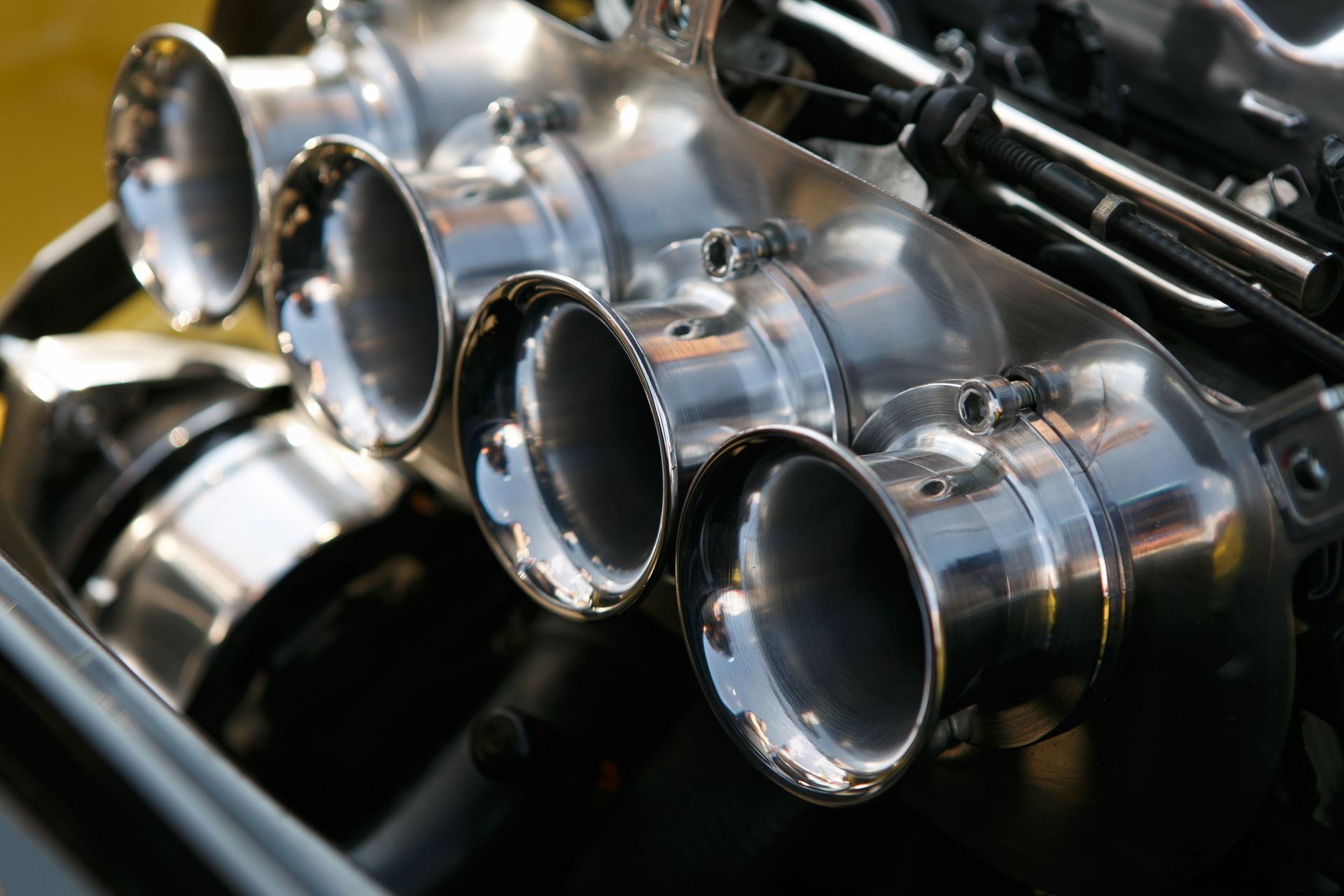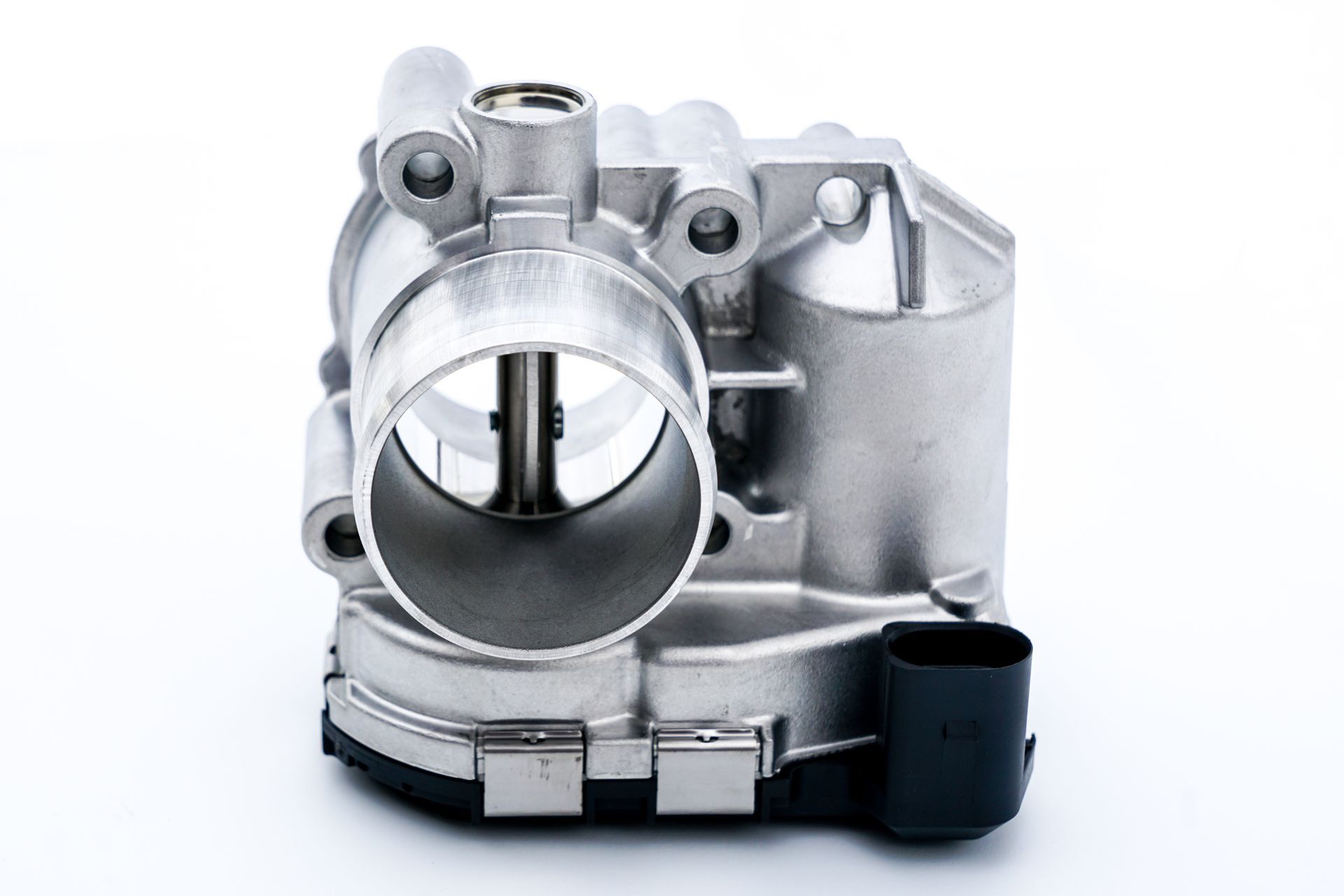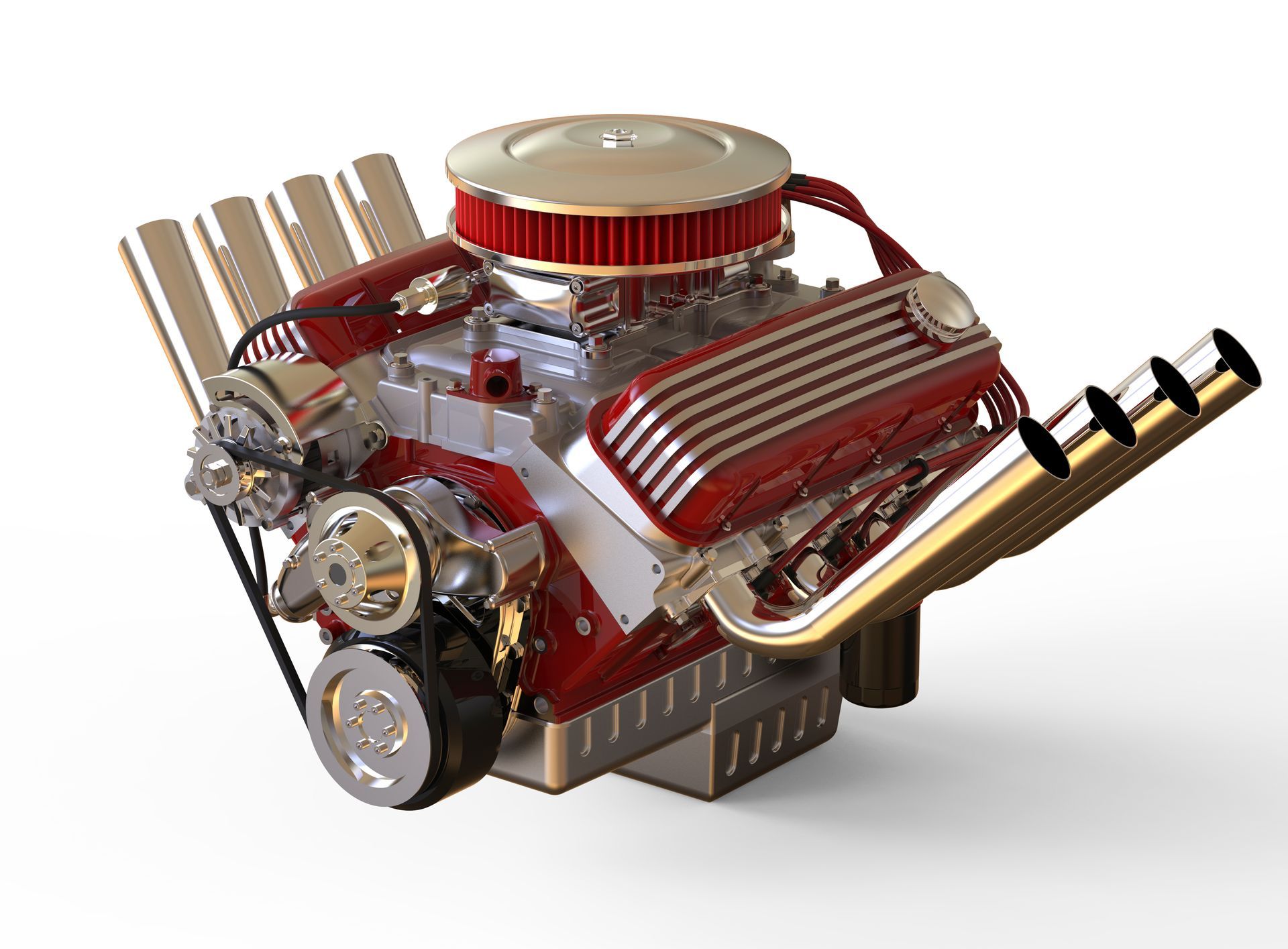
An engine needs a steady supply of clean air to make power. The air intake system brings in air, filters it, and directs it to the cylinders. Depending on the engine, it also includes sensors, a throttle body, and turbocharger plumbing.
Improving the intake starts with understanding what the original system does well and whether something is holding it back. A clean filter and secure connections often provide a better starting point than replacing parts for looks alone. At Ed Hanson's Muffler Service, we can discuss the intake alongside the way you use your car.
How the Air Intake Delivers Clean Air
Air enters through a duct and passes through the engine air filter. The filter traps dust and debris before they reach sensitive surfaces inside the engine. The air then travels through the remaining ductwork toward the intake manifold and cylinders.
The route is designed for the engine's airflow needs and the space available under the hood. It also helps control intake noise and keep water exposure manageable. Extra chambers or bends can serve a purpose even if they look less direct than a replacement tube.
On some engines, the system measures incoming air with a mass airflow sensor. Other designs use pressure, temperature, and related information to calculate engine load. Keeping the housing and connections correct protects the accuracy of those readings.
Engine Air Filters and Intake Performance
A heavily restricted filter reduces the air available when the engine asks for more. That shows up most clearly during acceleration or higher-load driving. The service interval and the filter's condition guide replacement.
Dusty conditions can load a filter sooner, while mileage alone gives an incomplete picture. We inspect the element, housing, and seals. A filter that fits loosely or has a damaged sealing edge lets dirt around it instead of through the filter media.
Use a replacement designed for the vehicle and application. A filter should balance airflow with protection, and installation should leave the housing closed and sealed. Changing a filter is simple maintenance, but its fit has a direct effect on what reaches the engine.
Air Intake Leaks and Lost Performance
Cracked boots, loose clamps, and damaged hoses let air move through unintended paths. On a system that measures air before the leak, extra air entering downstream interferes with the expected mixture.
A turbocharged engine also needs the pressurized side of the intake to hold its charge. A split hose or leaking connection can reduce boost, create a hiss, and make acceleration feel weaker. We inspect the appropriate section of the system for the symptoms you describe.
Repairing leaks restores the system to its intended operation. It's a practical improvement because the engine can once again receive and measure air through the intended route. Testing after the repair confirms that the connection holds under the conditions that caused trouble.
Cold Air Intake Changes and Everyday Driving
A replacement intake can change airflow restriction, intake temperature, and sound. Results depend on the engine, original design, and complete installation. A louder intake often feels more dramatic from the driver's seat, but sound alone doesn't measure power.
Placement is important. An open filter draws hot air beside the engine, while a protected system uses cooler outside air. Lower mounting positions also require careful attention to water exposure.
The sensor housing and airflow path need to work with the engine controls. Changes that disturb readings can create warnings or poor drivability. Review fitment, emissions compliance for California, and whether the vehicle needs additional approved setup before choosing an upgrade.
Air Intake Improvements Worth Checking First
Before spending money on modifications, review:
- The condition and correct fit of the engine air filter
- Cracks in intake boots or hoses
- Loose clamps and poorly seated connections
- Damage or debris in the air-filter housing
- The source of air reaching the intake
- Sensor warnings or unusual operating readings
This inspection helps separate maintenance from modification. If the car lost its usual pull recently, the first job is to find that change. Adding an aftermarket part while leaving a leak or sensor concern unresolved complicates the result.
Matching Air Intake Changes With Exhaust and Engine Needs
Airflow through the engine involves both the intake and exhaust. A change at one end may have little benefit if the engine already has enough capacity there or if another part of the system limits operation.
Your driving goals help set the scope. A street car used around Spring Valley needs predictable response, filtration, and a comfortable noise level. A more involved performance build requires a plan for the engine, controls, and supporting components together.
Compare measured results when possible. A modification should be judged under similar conditions before and after installation. Clear evidence makes it easier to decide whether the extra cost and maintenance suit the way you drive.
Keeping an Improved Air Intake Dependable
After installation or repair, inspect the clamps, filter service requirements, and surrounding clearance. Parts must stay secure as the engine moves and temperatures change. Follow the specific filter's care instructions instead of applying a cleaning method meant for another design.
Bring up new whistles, hesitation, or warning lights promptly. A recent intake change is useful history for the technician. Keeping the original specifications and modification details in your records also helps future service begin with the correct information.
Air Intake and Exhaust Service at Ed Hanson's Muffler Service
Ed Hanson's Muffler Service in Spring Valley, CA, can discuss intake concerns and how they fit with your vehicle's exhaust and performance goals. Explain whether you want to restore lost performance or explore a change so we can review the next steps.
Contact
Ed Hanson's Muffler Service to discuss air intake and exhaust service for your vehicle.